01
What samples to send
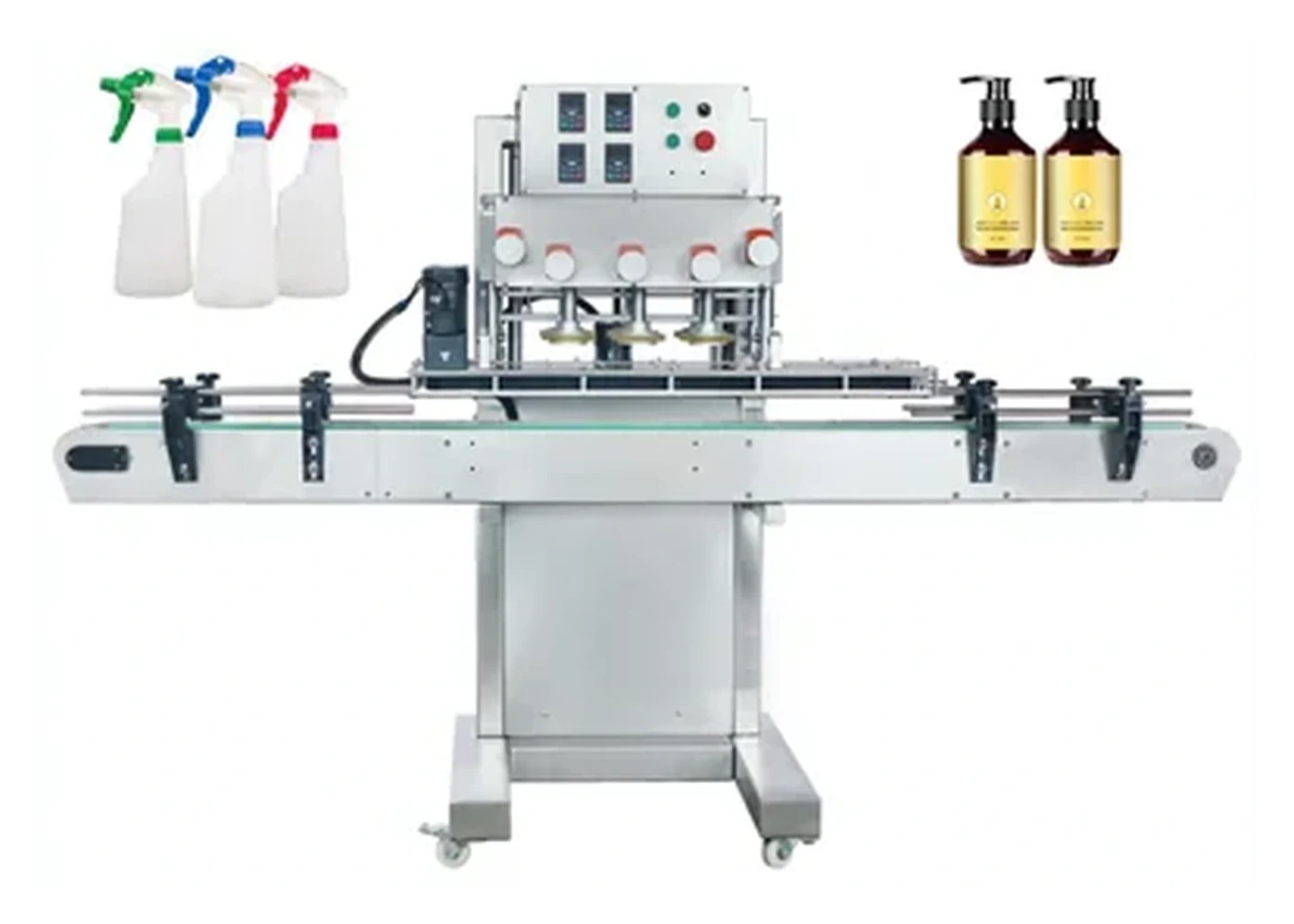
Send representative bottles, caps, liners, pumps, triggers or inserts. Include filled samples if the filled pack behaves differently from the empty pack.
UK screw capper route
Samples are one of the most useful parts of a screw capping enquiry. They help check cap fit, torque, bottle stability, feeding suitability and the likely machine route before final quotation.
Selection notes
Samples are one of the most useful parts of a screw capping enquiry. They help check cap fit, torque, bottle stability, feeding suitability and the likely machine route before final quotation.
Buying detail
Send representative bottles, caps, liners, pumps, triggers or inserts. Include filled samples if the filled pack behaves differently from the empty pack.
Sample review can highlight torque range, cap grip, bottle support, capping head style and feeding concerns.
A machine chosen from dimensions alone can miss practical issues. Samples make the recommendation more reliable.
Include cap diameter, closure type, bottle size, target output, available space and whether the capper needs to connect to filling or labelling equipment.
Related routes
Use this route to compare another part of the screw capping project and strengthen your enquiry brief.
Use this route to compare another part of the screw capping project and strengthen your enquiry brief.
Use this route to compare another part of the screw capping project and strengthen your enquiry brief.
Use this route to compare another part of the screw capping project and strengthen your enquiry brief.
Use this route to compare another part of the screw capping project and strengthen your enquiry brief.
Use this route to compare another part of the screw capping project and strengthen your enquiry brief.
FAQs
Suitability depends on cap type, bottle stability, target torque, output and whether caps are manually placed or automatically fed. Samples help confirm the correct route.
Send bottle and cap samples or drawings, cap diameter, bottle height and diameter, target output, product type, line layout and any changeover requirements.
Yes. Lancing UK can review the product, pack, closure and output requirement first, then help shortlist a practical screw capping route.
Trial definition
A useful trial states whether it is selecting an automation route, approving tooling, proving cap feeding, diagnosing a defect, establishing capacity or preparing FAT. The component register and acceptance checks should match that decision.
Identify production bottles, caps, liners, filled condition and accepted references.
Keep failed packs and evidence of when and how the fault occurs.
Measure good packs, operator work, cap feed, stops and interventions.
Extended trial evidence
The trial should identify the current bottle and closure drawings, representative production lots, the torque instrument and method, any induction liner and the final integrity checks. That prevents a successful isolated capping cycle being mistaken for an accepted production pack.
Confirm thread, sealing land, cap geometry, liner or tamper feature and normal variation.
Define tester, fixture, timing, units, operator technique and result type before data is collected.
Where applicable, prove cap application, foil bond, sealer window, stop/restart and post-seal inspection.
Buyer decision support
Pack history can be as important as the bottle dimensions. Do not mix unopened production samples with caps that have been hand-checked, re-tightened, removed or replaced. Give each group its own identity so the trial can distinguish original application from later treatment.
| Sample group | Record before sending |
|---|---|
| Untouched production | Application date and time, machine and setting, bottle/cap lots and the reason the sample was selected. |
| Conditioned or complaint pack | Known storage, process and handling history, elapsed time and any unrecorded exposure that limits comparison. |
| Re-tightened or recapped | Who authorised the treatment, what was changed, which components were reused or replaced and the resulting observations. |
| Accepted reference | Why the sample represents the agreed result and whether the reference concerns appearance, function, opening or another test. |
The storage-testing guide explains sample timing, while the rework guide defines why treated and untouched packs should not be pooled. Ask Lancing to confirm the quantity and safe packing arrangements for the planned trial; this page does not set a universal sample count or authorise shipment of hazardous product.