01
Bottle and cap fit
Confirm the bottle neck finish, cap thread, closure height and required finished-pack result.
Buyer guide
Compare the trade-offs between semi-automatic screw cappers and automatic inline capping machinery.
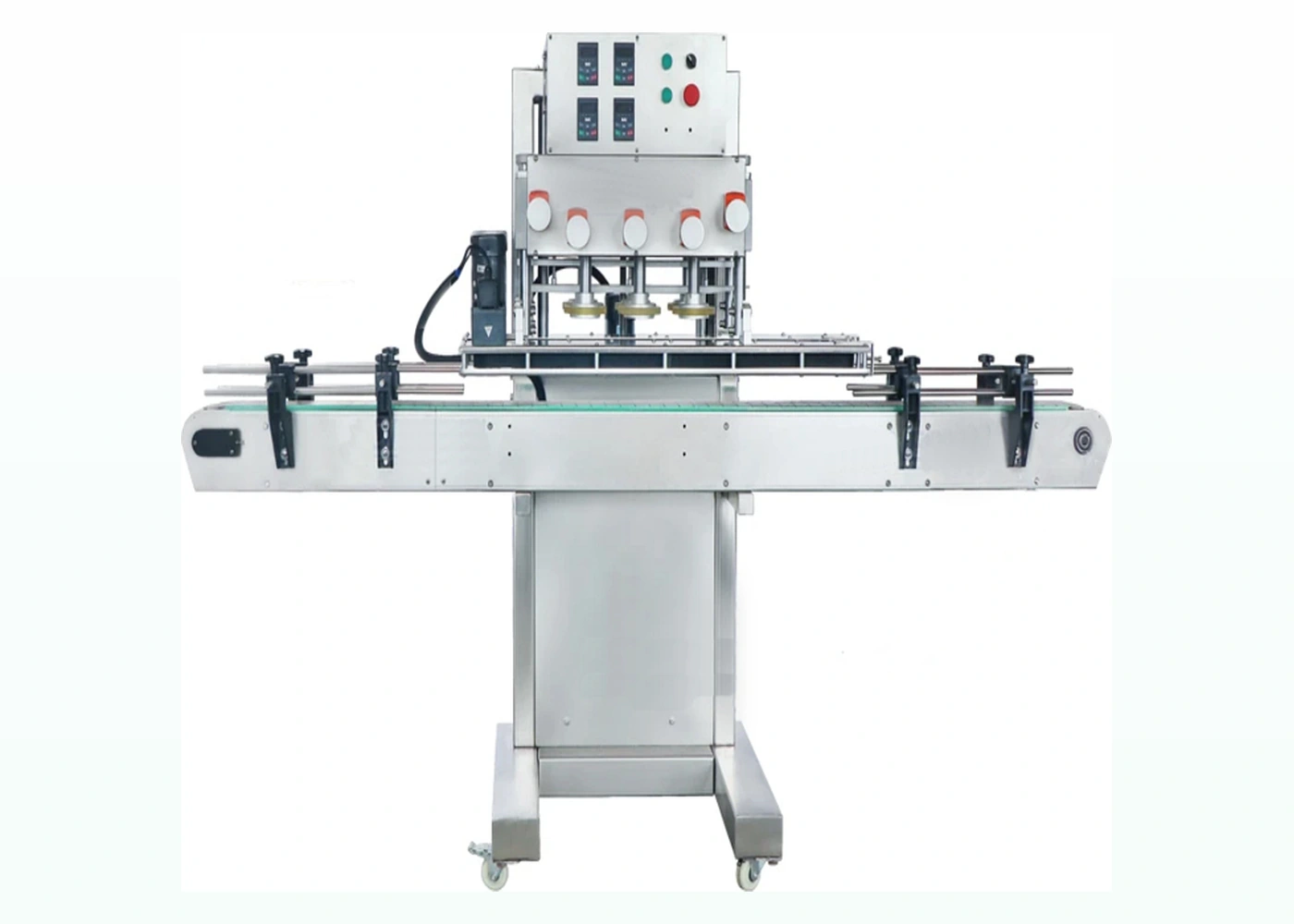
A semi-automatic screw capper is often the best starting point when an operator can present bottles and caps and the required output is modest. Automatic screw capping becomes more attractive when operator labour, consistency or line speed becomes the bottleneck.
The decision should include output, changeovers, cap feeding, bottle handling, available space and integration with filling or labelling.
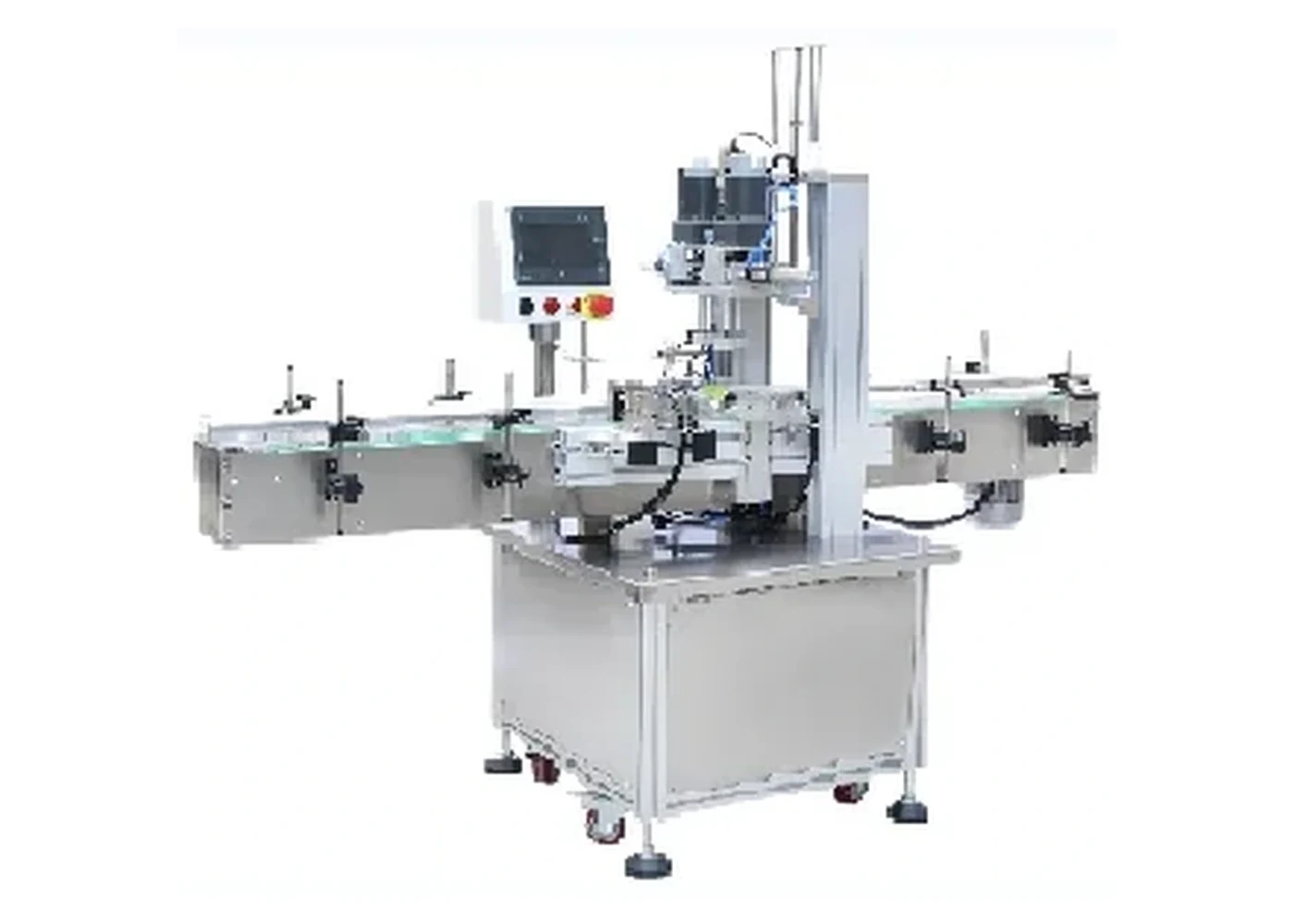
Planning points
Confirm the bottle neck finish, cap thread, closure height and required finished-pack result.
Check target bottles per minute or bottles per hour and whether the operator can sustain the workflow.
Decide whether the capper is standalone or needs to connect to filling, labelling or conveyors.
FAQs
Send bottle dimensions, cap type, cap diameter, target output, product type, photographs and whether cap feeding or line integration is required.
Yes. Representative bottles and caps help confirm grip, torque, cap presentation and changeover requirements.
Many screw capping machines can be supplied as standalone equipment or planned as part of a filling, capping, labelling and conveyor line.
Send photos, samples or dimensions and Lancing UK will help shortlist the most suitable machinery route.
Real output
The practical difference between semi-automatic and automatic capping is the complete workflow around the tightening cycle.
| Production factor | Semi-automatic route | Automatic route |
|---|---|---|
| Cap placement | Operator places and checks each closure. | Operator placement must match line speed or a feeder must orient and present caps. |
| Bottle handling | Operator or locator presents the bottle; clamp can prevent rotation. | Conveyors, sensors, guides, fixtures or side belts control continuous transfer. |
| Changeover | Often flexible, with fewer linked stations to adjust. | May include guides, sensors, feeder tooling, chute, head and controls recipes. |
| Minor stop recovery | Operator clears and restarts the local cycle. | System must manage queues, missing caps, jams and safe restart with adjoining equipment. |
| Output proof | Timed run includes operator handling and cap supply. | Timed run includes feeder replenishment, transfer, queues and normal line interaction. |
| Best fit | Shorter batches, varied formats and controlled labour step. | Regular production where automation can be supported by stable components and line flow. |
Automation threshold
Automatic equipment should remove a proven handling, consistency or capacity constraint. It does not remove the need to control cap supply, bottle presentation, format changes and finished-pack acceptance.
Record good packs, operator actions, cap placement, inspection, replenishment, rejects and stop time through a representative batch.
Confirm whether the constraint is capping, cap supply, bottle handling, filling, labelling or downstream packing before selecting faster equipment.
Specify cap feed, bottle detection, stopping, tightening, release, accumulation, alarms and recovery from normal interruptions.