01
Bottle and cap fit
Confirm the bottle neck finish, cap thread, closure height and required finished-pack result.
Buyer guide
Compare cap feeding routes before selecting an automatic screw capping machine.
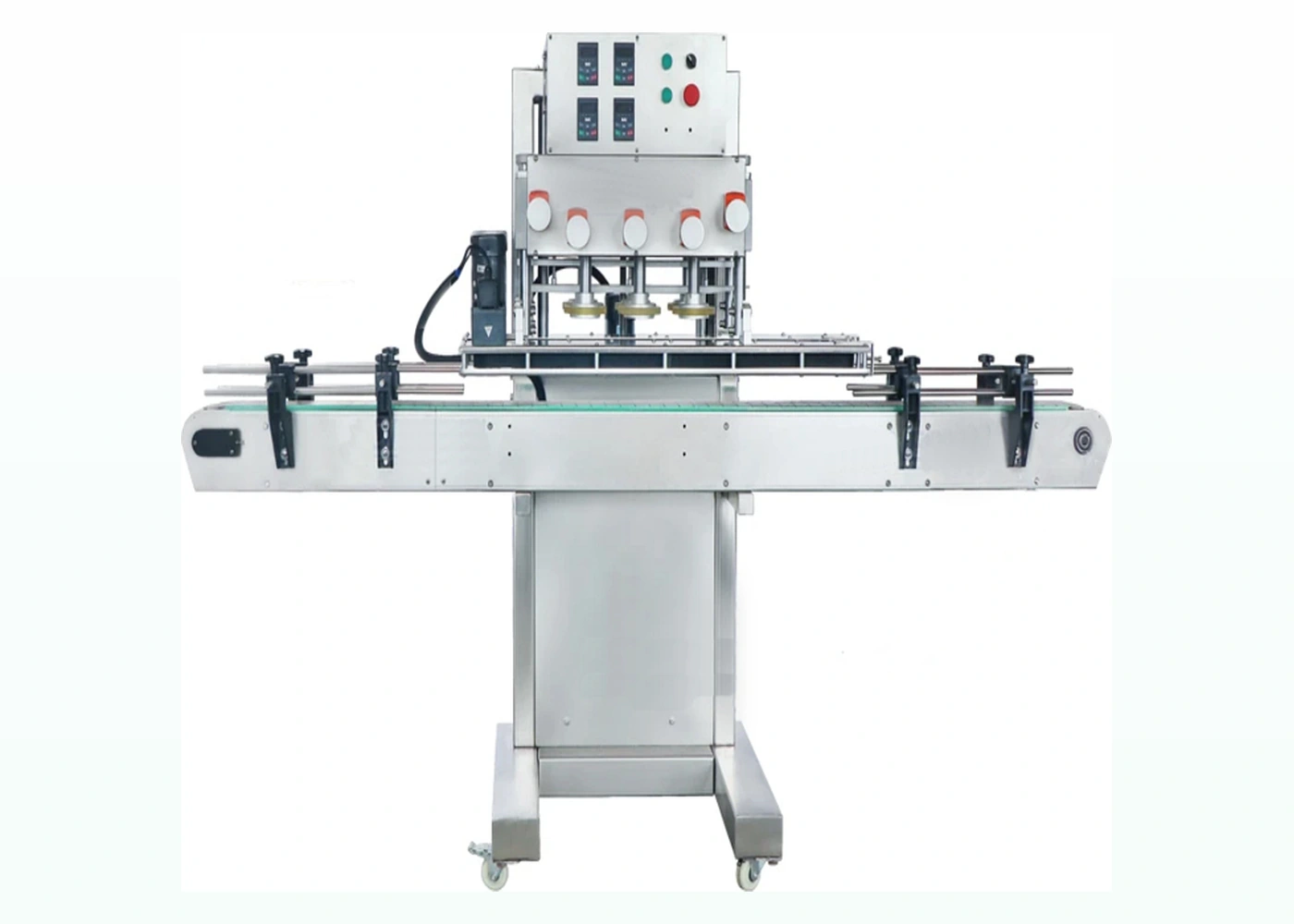
Cap feeding is often the difference between a machine that reaches its target output and one that becomes operator limited. Manual placement can be cost-effective at lower speeds, but automatic machinery may require a cap elevator, chute, bowl feeder or orientating system.
The best approach depends on cap size, shape, orientation, material, feed rate and changeover frequency.
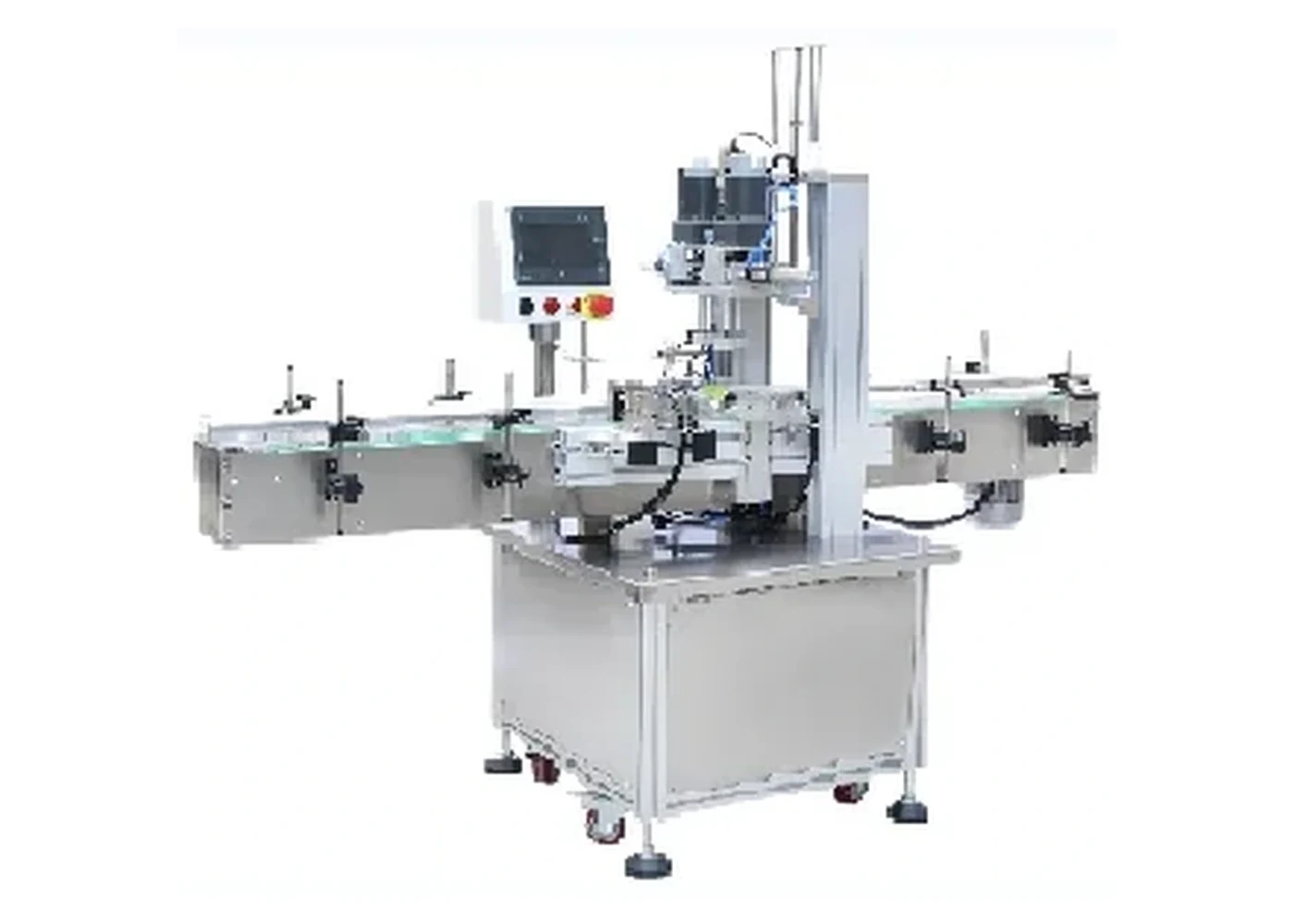
Planning points
Confirm the bottle neck finish, cap thread, closure height and required finished-pack result.
Check target bottles per minute or bottles per hour and whether the operator can sustain the workflow.
Decide whether the capper is standalone or needs to connect to filling, labelling or conveyors.
FAQs
Send bottle dimensions, cap type, cap diameter, target output, product type, photographs and whether cap feeding or line integration is required.
Yes. Representative bottles and caps help confirm grip, torque, cap presentation and changeover requirements.
Many screw capping machines can be supplied as standalone equipment or planned as part of a filling, capping, labelling and conveyor line.
Send photos, samples or dimensions and Lancing UK will help shortlist the most suitable machinery route.