01
Confirm component identity
Record the closure reference, liner construction or supplier description and the bottle neck finish used in the trial.
Closure and liner behaviour
A liner is part of the closure system, not a detail to ignore. Changes in liner construction, position or condition can alter how the cap seats, how torque is interpreted and how the finished pack is accepted.
Direct answer
The liner may influence compression, friction, final cap position and the force required to open the pack. A change in liner supplier, thickness, placement or surface condition can therefore affect a capping result even when the cap shell and bottle appear unchanged.
Do not transfer a machine setting or torque acceptance automatically between lined and unlined caps. Use representative production components, inspect the liner after application and confirm the finished pack against the approved sealing or opening method.
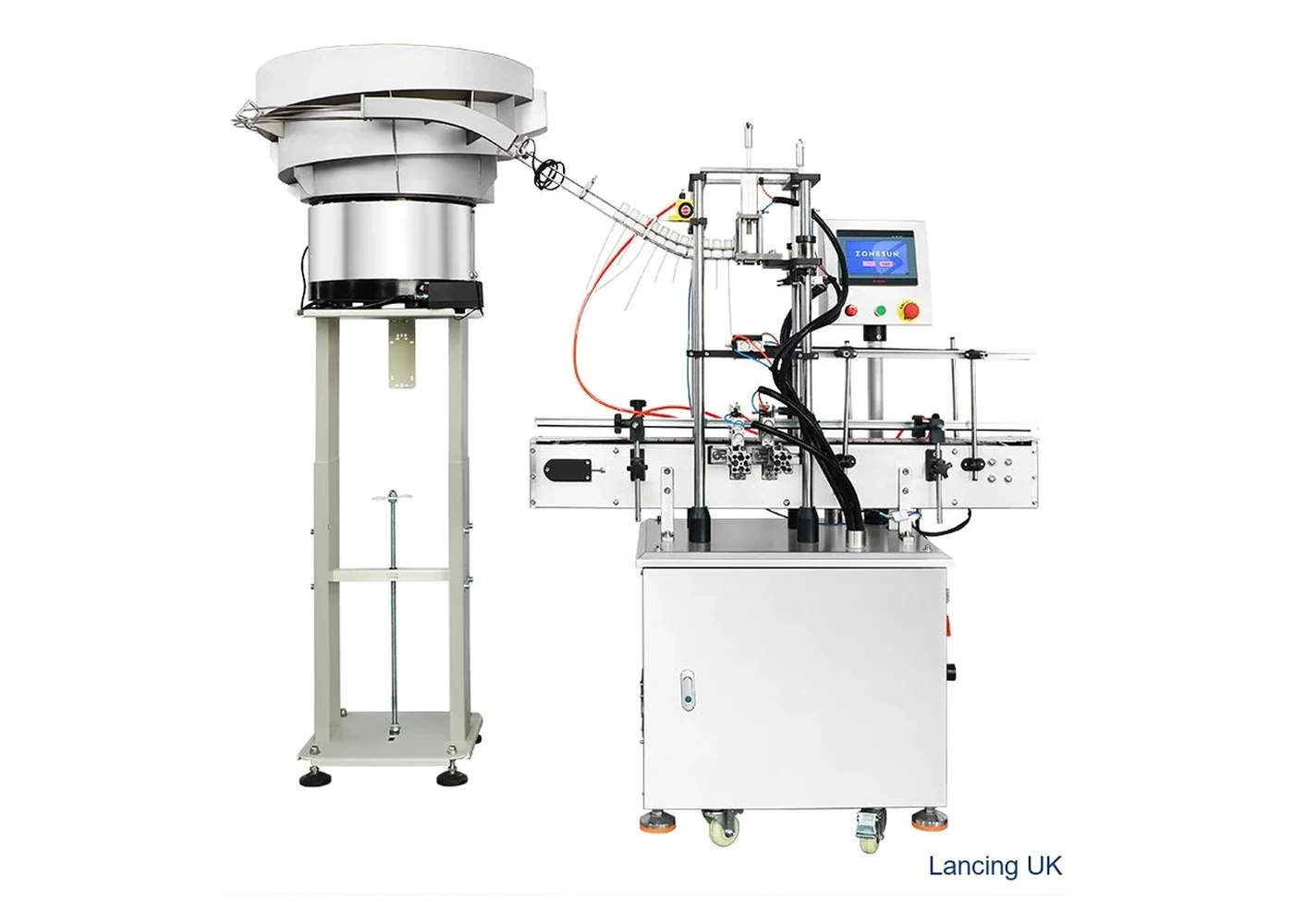
Decision evidence
The capping machine cannot compensate safely for every liner or component problem, so the trial must separate pack variation from machine setup.
| Liner variable | Possible effect on capping | Evidence to collect |
|---|---|---|
| Position inside the cap | An off-centre, folded or displaced liner may prevent even seating or create inconsistent opening behaviour. | Inspect unused closures and opened trial packs from identified batches. |
| Compression under the seated cap | The cap may stop at a different height or require a different accepted tightening result. | Compare cap height, thread engagement and the approved functional test. |
| Surface condition or contamination | Friction and sealing behaviour may vary; tooling may also slip on a contaminated cap exterior. | Record component condition before capping and inspect the filling/capping handover. |
| Cap shell and liner combination | A visually similar closure may respond differently when its internal construction changes. | Retain the exact cap reference, drawing revision and accepted sample. |
| Storage or conditioning | Opening behaviour can change after the pack rests or experiences a defined condition. | Control elapsed time, temperature and handling in any comparison. |
Practical method
A repeatable liner check prevents a closure change from being mistaken for a machine fault.
Record the closure reference, liner construction or supplier description and the bottle neck finish used in the trial.
Check that liners are present, centred, clean and representative before they enter a feeder or manual placement process.
Use the agreed bottle support, tooling and cap-presentation method while recording the component batch and machine setup.
Check cap level, height, thread engagement, liner or tamper condition and any product-approved seal requirement.
Use the same interval and method when comparing removal or opening behaviour between formats or component batches.
Repeat the relevant checks when the liner, cap shell, bottle neck finish or supplier changes materially.
Buyer questions
A liner can influence the acceptance result even when the machine and nominal cap size are unchanged.
It should not be assumed. A liner change may alter compression, seated position, friction and opening behaviour. Keep the bottle and cap shell constant, test the revised lined closure under the agreed method and approve the new setting only when the finished pack meets the same acceptance criteria.
A liner can contribute to a higher or uneven seated position if it is displaced, folded, thicker than the approved component or interacting differently with the bottle finish. Confirm thread engagement and component identity before increasing torque, because extra force may damage the cap or bottle.
Damage can occur if the closure starts incorrectly, the liner is displaced before application, excessive force is used or the cap and bottle finish are incompatible. Inspect unused caps, capped packs and opened samples so the point at which the liner changes can be identified.
Yes when both formats are intended for production. They are different closure systems and may require different tooling contact, machine settings, cap-height references and acceptance checks. Record them as separate formats rather than treating the liner as an optional detail.
Provide the full closure reference, liner description available from the cap supplier, photographs, drawings where available and representative production samples. Include the bottle neck finish and the current method used to accept the sealed or opened pack.
Continue the decision
Use the most relevant next page to prepare the pack, trial or machine specification.
Combine liner inspection with cap position, thread engagement and product-appropriate tests.
Control the timing and method used to compare application and opening results.
Identify closure batches, liner variants and accepted reference packs for the trial.
Lancing can review the actual bottle, cap and liner combination before tooling and machine settings are finalised.
Foil-lined closures
For a closure carrying an induction foil, capping creates the pressure and contact condition before the sealing field is applied. The trial should therefore record cap position and torque method before sealing, then foil bond, liner release, leakage evidence and conditioned opening behaviour after sealing.
Confirm cap and liner identity, clean sealing land, square thread start, seated cap height and the approved application condition.
Allow the stated conditioning time, then inspect the foil bond, cap, remaining liner components and the product-appropriate integrity check.
Revalidate relevant changes to liner construction, cap, bottle finish, sealer head, line speed or capper setting rather than assuming the previous window still applies.