01
Identify the pack
Record bottle and cap references, component batch, fill condition, line settings and the time of capping.
Finished-pack acceptance
Closure integrity is confirmed by a controlled set of checks on the finished pack. Torque alone is not enough when cap position, thread engagement, liner condition or leakage can fail independently.
Direct answer
Start with a known accepted pack and define what must be true after capping: the cap is on the correct thread, sits at the agreed height, has an undamaged liner or tamper feature, opens within the approved method and passes any leakage or product-specific test required for the pack.
The exact acceptance method depends on the bottle, closure, product and quality requirement. The machine setting is a means of creating the accepted result; it is not itself proof that every pack is correct.
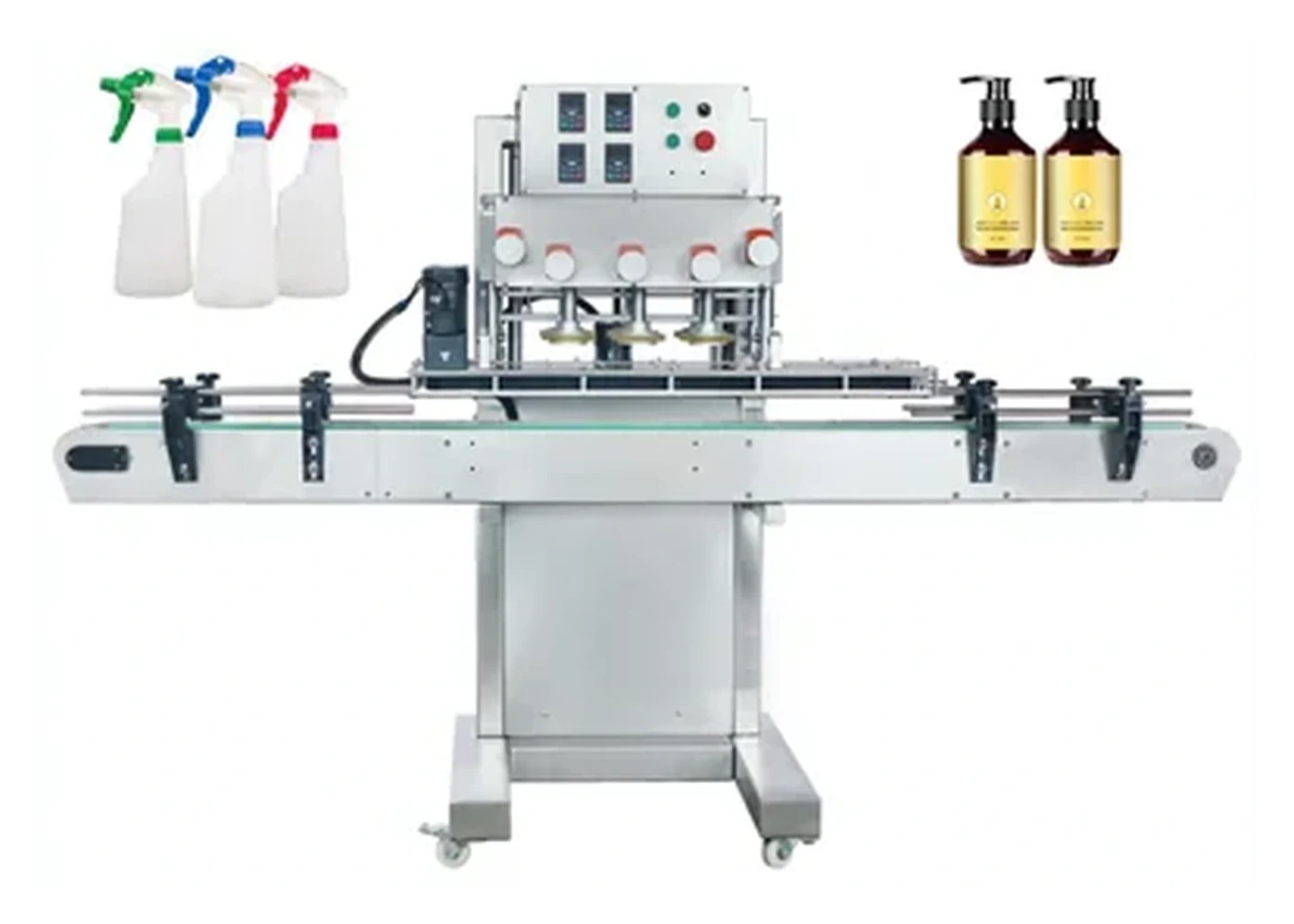
Decision evidence
Each check reveals a different failure mode, so the acceptance plan should state which checks apply and when they are performed.
| Check | What it can reveal | How to control the result |
|---|---|---|
| Thread engagement | Cross-threading, incomplete start or mismatched bottle and cap threads. | Inspect the cap position around the full circumference and compare with accepted references. |
| Cap height and level | High, low or tilted caps and inconsistent seating. | Measure from a repeatable bottle datum and use the approved format limit. |
| Liner or tamper condition | Folding, displacement, cutting, incomplete band engagement or visual damage. | Inspect after application and after any required opening or leakage test. |
| Application or removal evidence | Variation in tightening or opening behaviour under the agreed test method. | Use controlled equipment, timing, handling and sample identification. |
| Leakage or pack-specific function | A seal or closure failure that visual and torque checks may not detect. | Use the product owner’s approved method and safe test conditions. |
| Timed production run | Intermittent feed, thread, support or restart failures. | Record good packs, rejects, stops and component batches during a representative run. |
Practical method
Changing the order or condition of the checks can make results difficult to interpret.
Record bottle and cap references, component batch, fill condition, line settings and the time of capping.
Check cap level, thread start, tamper feature and visible liner condition before opening or destructive tests alter the pack.
Use the same datum, instrument, direction and handling method for cap-height or torque checks.
Complete any leakage, inversion, opening, transport or other product-approved test under controlled conditions.
Separate bottle, closure, tooling, cap-feed and machine-control causes rather than increasing torque automatically.
Repeat the agreed timed run and retain accepted and rejected references with the final settings and observations.
Buyer questions
The correct checks depend on the finished pack and the way it will be stored, transported and opened.
No. Removal torque can describe opening behaviour under a defined test, but it does not by itself prove correct thread engagement, cap height, liner condition, tamper-feature engagement or leak resistance. Use removal torque as one part of an acceptance method that also examines the physical pack.
A cap sitting above the accepted reference may indicate an incomplete thread start, cross-threading, obstruction, liner behaviour, insufficient seating or a dimensional mismatch. Confirm the cap is level and correctly engaged before changing torque, because extra tightening can damage the closure without correcting the root cause.
Inspect the liner using a controlled sample method agreed for the pack. Look for displacement, folding, cutting, contamination or uneven compression after capping and, where appropriate, after opening. Compare with accepted reference packs and confirm any product-specific sealing test separately.
Include leakage testing when the product, pack design or quality plan requires a seal that cannot be confirmed visually. The method and safe test condition should be defined by the product and packaging owner; it may differ between liquids, powders, transport orientations and storage conditions.
Record an immediate result to check the capping process, then add any later or conditioned test required by the approved pack method. Time, temperature and material relaxation can change opening behaviour, so results are only comparable when the interval and conditioning are controlled.
Continue the decision
Use the most relevant next page to prepare the pack, trial or machine specification.
Separate application, removal and conditioned checks within a controlled test method.
Inspect seated position and thread engagement before interpreting torque.
Trace loose, high, marked or cross-threaded caps to the correct process stage.
Send accepted references, rejected examples and the current inspection method so Lancing can build the trial around the real closure requirement.
In-line quality control
Cap presence, height, tilt, colour and visible damage may be checked in line when the bottle can be presented consistently. Hidden liner behaviour, torque and product-specific leakage still require the approved functional method.
Use accepted and rejected reference packs to state exactly what a sensor or camera must distinguish.
Challenge detection, conveyor stops, restart, rejection and confirmation so the failed pack cannot remain in production.
Keep the torque, opening, liner or leakage tests that cannot be inferred reliably from the outside of the pack.
Layered acceptance
A threaded cap can appear acceptable while the liner or downstream foil seal fails, and a bonded foil does not prove that the cap is correctly threaded or will open as required. Keep each result named and traceable.
Thread engagement, cap height, level, marking, tamper feature and the approved torque method.
Identity, placement, compression, damage, release and any component left in the cap after opening.
Foil bond, land coverage, product-appropriate leakage test, conditioning time and failure classification.