01
Cap tightening is about control
Consistent torque depends on the capper head, bottle clamp, closure quality and operator setup. Under-tight caps can leak; over-tight caps can damage threads, deform liners or make opening difficult.
UK screw capper route
A bottle cap tightening machine is useful when hand tightening is inconsistent, slow or difficult to control. The right route depends on the closure, target torque, bottle stability and whether caps are already placed on the bottle.
Selection notes
A bottle cap tightening machine is useful when hand tightening is inconsistent, slow or difficult to control. The right route depends on the closure, target torque, bottle stability and whether caps are already placed on the bottle.
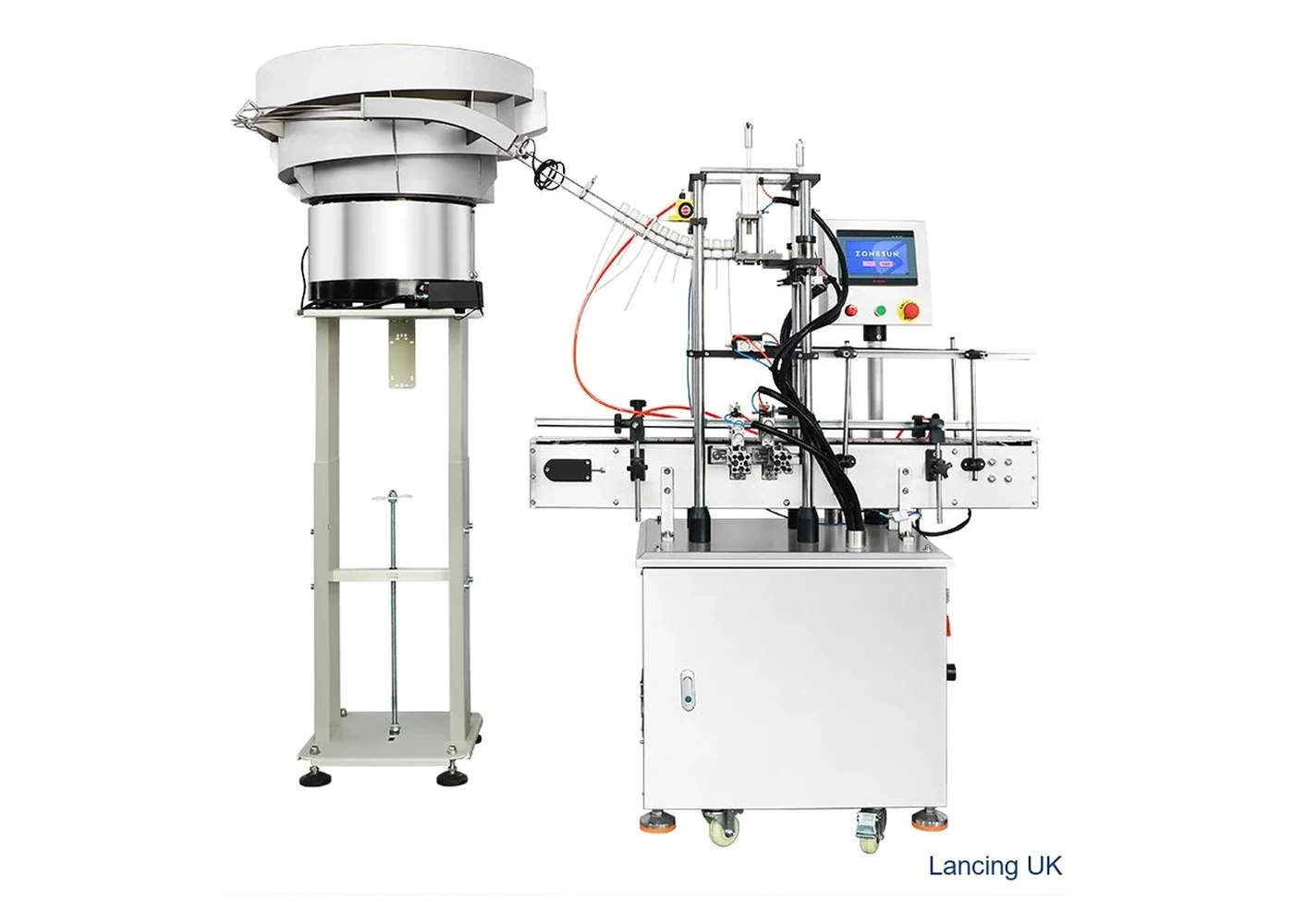
Buying detail
Consistent torque depends on the capper head, bottle clamp, closure quality and operator setup. Under-tight caps can leak; over-tight caps can damage threads, deform liners or make opening difficult.
Some projects need caps placed by hand and tightened by machine. Others need automatic cap feeding. The best choice depends on speed, pack format and operator workload.
Send cap size, bottle size, desired torque, photos of the pack and target bottles per minute. Samples are strongly recommended before final specification.
Include cap diameter, closure type, bottle size, target output, available space and whether the capper needs to connect to filling or labelling equipment.
Related routes
Use this route to compare another part of the screw capping project and strengthen your enquiry brief.
Use this route to compare another part of the screw capping project and strengthen your enquiry brief.
Use this route to compare another part of the screw capping project and strengthen your enquiry brief.
Use this route to compare another part of the screw capping project and strengthen your enquiry brief.
Use this route to compare another part of the screw capping project and strengthen your enquiry brief.
Use this route to compare another part of the screw capping project and strengthen your enquiry brief.
FAQs
Suitability depends on cap type, bottle stability, target torque, output and whether caps are manually placed or automatically fed. Samples help confirm the correct route.
Send bottle and cap samples or drawings, cap diameter, bottle height and diameter, target output, product type, line layout and any changeover requirements.
Yes. Lancing UK can review the product, pack, closure and output requirement first, then help shortlist a practical screw capping route.
Closure acceptance
A pass condition may include clean thread engagement, accepted cap height, opening/removal behaviour, liner or tamper condition, leakage and cosmetic finish. The method should be agreed before machine settings are compared.
Check cap angle and engagement before final tightening can hide a poor start.
Confirm the pack does not spin, tip, lift, collapse or scuff under the selected clamp, guide or side-belt method.
Use the same identified measurement and visual checks through trial, acceptance and production.