01
Why tamper evident caps need testing
The band, bridge strength and neck finish affect how the cap starts and tightens. Testing helps confirm that the capper can apply the closure without distorting the band.
UK screw capper route
Tamper evident caps need careful handling because the cap must tighten correctly while the band and bottle neck finish remain compatible. The capper route depends on cap design, bottle neck, torque and production speed.
Selection notes
Tamper evident caps need careful handling because the cap must tighten correctly while the band and bottle neck finish remain compatible. The capper route depends on cap design, bottle neck, torque and production speed.
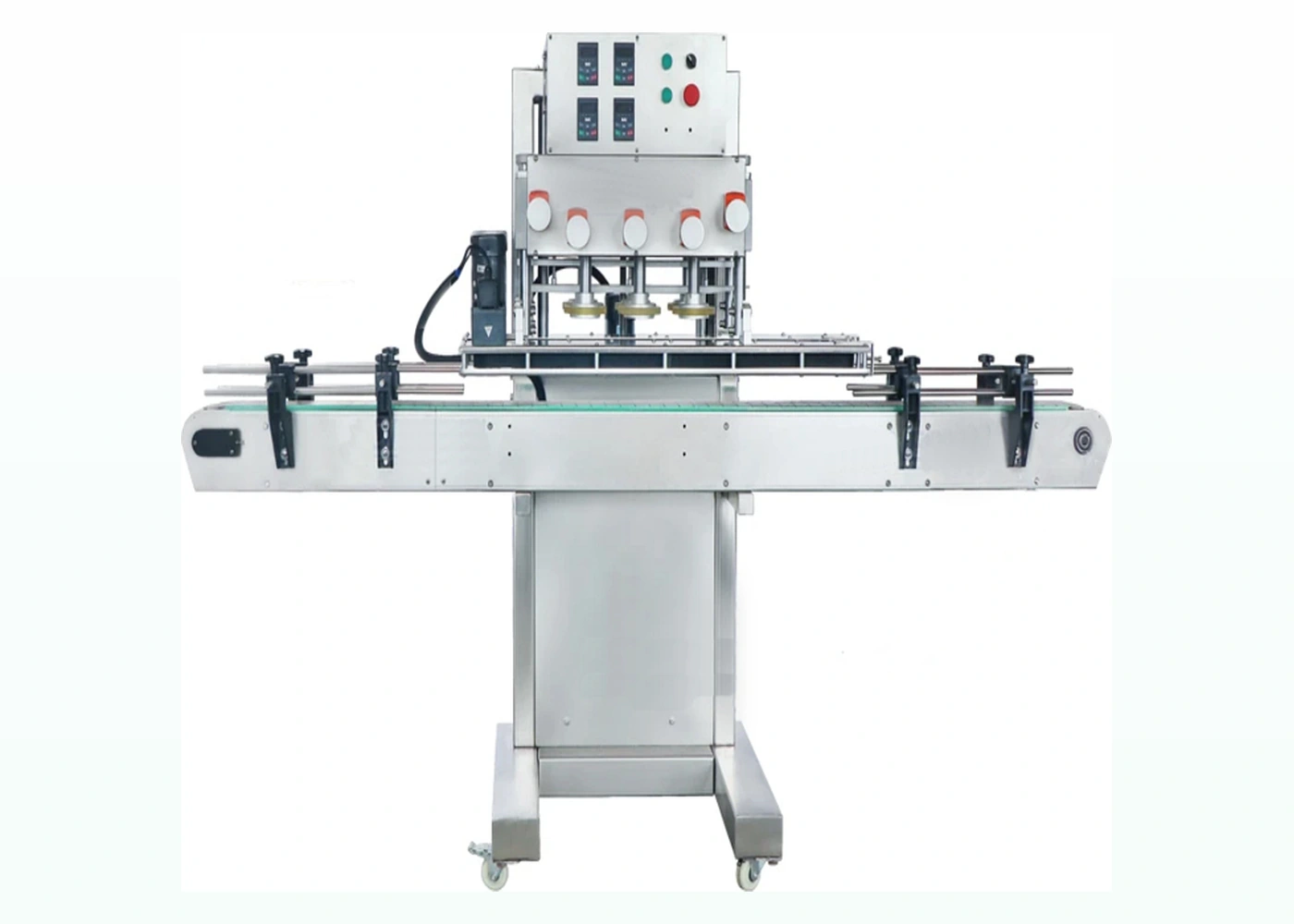
Buying detail
The band, bridge strength and neck finish affect how the cap starts and tightens. Testing helps confirm that the capper can apply the closure without distorting the band.
Over-tightening can damage bridges or make caps hard to open. Under-tightening can lead to poor seal or inconsistent presentation. Target torque should be defined early.
Tamper evident caps may feed differently depending on shape, size and weight. Sample testing is important if automatic feeding is required.
Include cap diameter, closure type, bottle size, target output, available space and whether the capper needs to connect to filling or labelling equipment.
Related routes
Use this route to compare another part of the screw capping project and strengthen your enquiry brief.
Use this route to compare another part of the screw capping project and strengthen your enquiry brief.
Use this route to compare another part of the screw capping project and strengthen your enquiry brief.
Use this route to compare another part of the screw capping project and strengthen your enquiry brief.
Use this route to compare another part of the screw capping project and strengthen your enquiry brief.
Use this route to compare another part of the screw capping project and strengthen your enquiry brief.
FAQs
Suitability depends on cap type, bottle stability, target torque, output and whether caps are manually placed or automatically fed. Samples help confirm the correct route.
Send bottle and cap samples or drawings, cap diameter, bottle height and diameter, target output, product type, line layout and any changeover requirements.
Yes. Lancing UK can review the product, pack, closure and output requirement first, then help shortlist a practical screw capping route.
Buyer decision support
Tamper-evident screw-cap application needs both an acceptable screw closure and the intended tamper condition. A band or bridge can be damaged during handling even when the finished cap feels tight, so the trial should retain separate seating, appearance and first-opening evidence.
No. Resistance can come from thread engagement, component interference or another cap event. Check the band and cap position against the approved package and use the defined first-opening method.
Not as a default remedy. Retain the defect evidence and follow an approved disposition. The re-torquing and rework guide explains why a second tightening operation must not be used to hide a damaged tamper feature.
Send untouched bottle-and-cap samples, the closure supplier’s application drawing and your accepted unopened and opened examples. The inspection and reject guide helps distinguish visible checks from functional tests. No camera-detection or tamper-test performance is implied for the existing capper models.