01
What servicing should check
Useful checks include belts, guides, chuck or spindle wear, sensors, cap feed performance, torque settings and safety functions.
Aftercare and spares
Screw capping machine servicing helps keep cap torque, bottle handling and operator setup consistent over time. Lancing can support spare parts, technical guidance and aftercare routes.
Selection notes
Screw capping machine servicing helps keep cap torque, bottle handling and operator setup consistent over time. Lancing can support spare parts, technical guidance and aftercare routes.
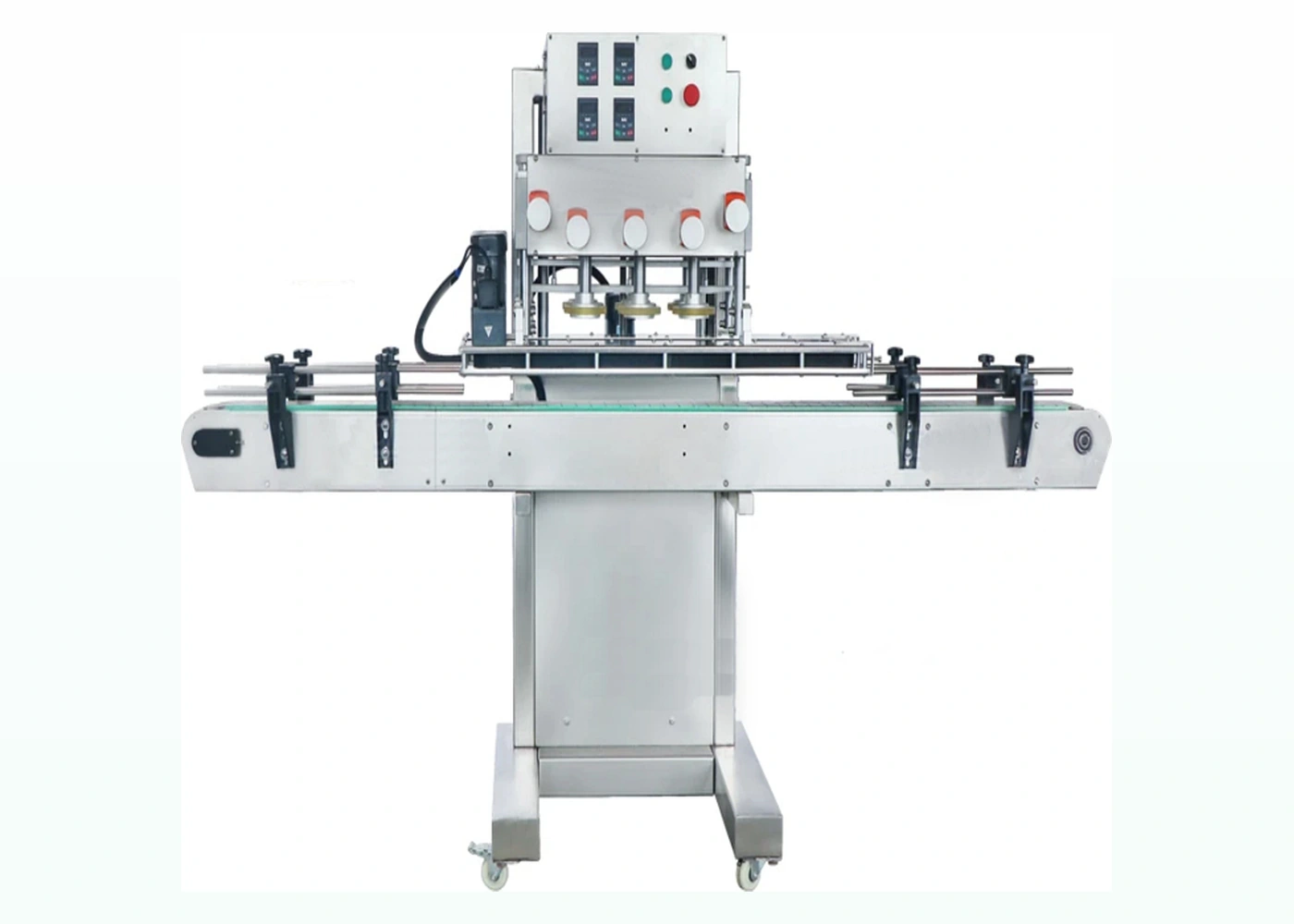
Buying detail
Useful checks include belts, guides, chuck or spindle wear, sensors, cap feed performance, torque settings and safety functions.
Change parts and wear parts should be understood before production pressure increases. This makes planned maintenance and format changes easier.
Operators should know the common causes of stoppages, including cap feed jams, poor bottle spacing, loose guides and unsuitable torque settings.
Include cap diameter, closure type, bottle size, target output, available space and whether the capper needs to connect to filling or labelling equipment.
Related routes
Use this route to compare the next stage of the screw capping project.
Use this route to compare the next stage of the screw capping project.
Use this route to compare the next stage of the screw capping project.
Use this route to compare the next stage of the screw capping project.
Use this route to compare the next stage of the screw capping project.
FAQs
Frequency depends on usage, environment, product and line speed. A planned schedule is better than reactive repair.
Belts, gripping surfaces, chucks, springs, guides and sensors may need attention depending on machine type.
Yes. Correct setup and maintained tooling can improve consistency and reduce stoppages.