01
Interfaces between machines
Conveyor height, bottle spacing, accumulation, guarding and operator access should be planned between each machine, not left to commissioning day.
Integrated packaging lines
Screw capper integration connects the capping stage with filling, conveyors, cap feeding, labelling, coding and packing. It is important when the capper must match an existing line or new automation project.
Selection notes
Screw capper integration connects the capping stage with filling, conveyors, cap feeding, labelling, coding and packing. It is important when the capper must match an existing line or new automation project.
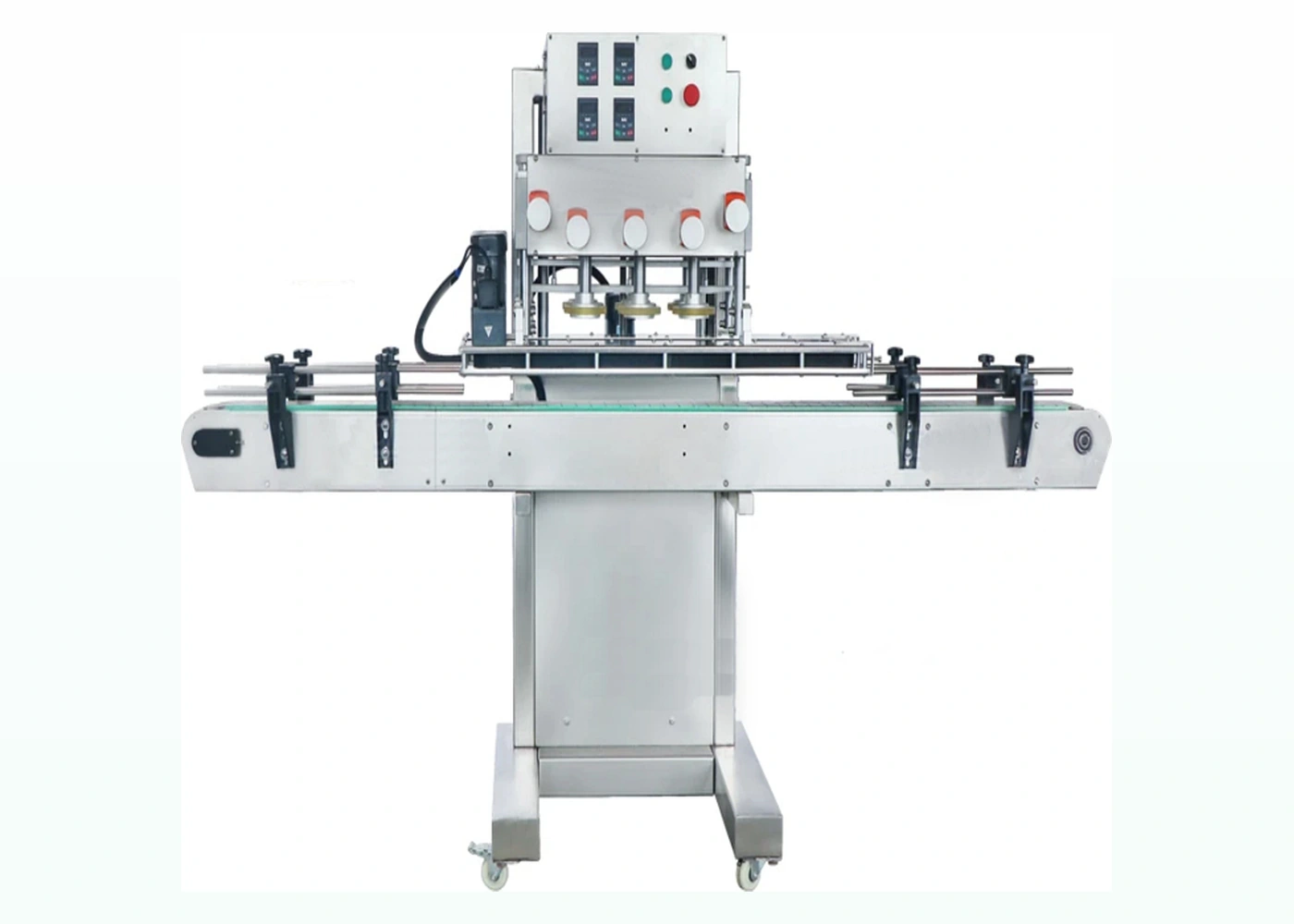
Buying detail
Conveyor height, bottle spacing, accumulation, guarding and operator access should be planned between each machine, not left to commissioning day.
If filling is faster than capping, bottles queue. If capping is faster than filling, the capper waits. Balanced line planning reduces wasted capacity.
A line should be planned around current packs and realistic future formats. Space for cap feeding, extra conveyors or labelling changes can protect the investment.
Include cap diameter, closure type, bottle size, target output, available space and whether the capper needs to connect to filling or labelling equipment.
Related routes
Use this route to compare the next stage of the screw capping project.
Use this route to compare the next stage of the screw capping project.
Use this route to compare the next stage of the screw capping project.
Use this route to compare the next stage of the screw capping project.
Use this route to compare the next stage of the screw capping project.
FAQs
Often yes, but conveyor height, spacing, speed and controls need review.
Planning them together reduces interface risk even if machines are purchased in stages.
A site sketch, current machine details, photos and output targets are helpful.
Connected-line control
Integration includes more than matching conveyor heights. Record bottle spacing, cap availability, accumulation, stop/start logic, alarms, reject handling, emergency-stop boundaries and responsibility for restarting the complete sequence.
| Line condition | Capper response to define | Acceptance test |
|---|---|---|
| Upstream starved | Wait without losing cap control or creating an incorrect cycle. | Controlled loss and restoration of bottle supply. |
| Downstream blocked | Stop before unsafe accumulation and retain pack/cap state. | Simulated back pressure or blocked signal. |
| Low or no caps | Prevent uncapped production and provide a clear recovery route. | Cap supply interruption and replenishment. |
| Fault reset | Return to a known sequence without double cycling or losing the bottle. | Representative minor fault and documented restart. |