01
Pre-installation readiness
Before installation, check access, utilities, air supply, space, sample availability and operator availability. These details can affect commissioning time.
Installation and commissioning
Installation is where the selected screw capper is adjusted to the real bottles, caps, operators and production line. Correct setup helps reduce early stoppages and avoidable quality issues.
Selection notes
Installation is where the selected screw capper is adjusted to the real bottles, caps, operators and production line. Correct setup helps reduce early stoppages and avoidable quality issues.
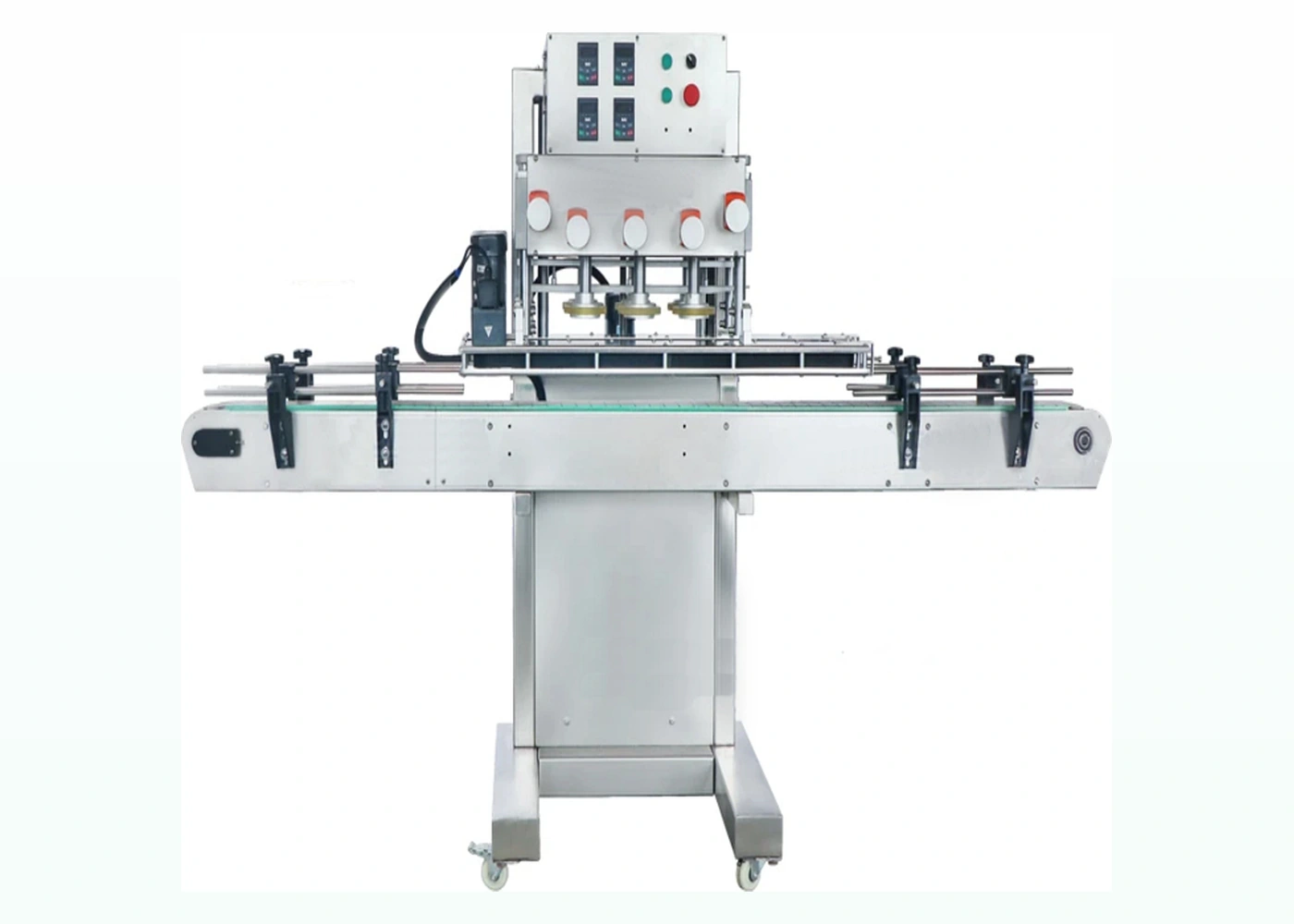
Buying detail
Before installation, check access, utilities, air supply, space, sample availability and operator availability. These details can affect commissioning time.
The capper should be run with production bottles, caps and filled-product weight so torque, stability and feed settings can be checked realistically.
Operators need to understand daily setup, changeovers, cleaning, basic fault checks and when to ask for support.
Include cap diameter, closure type, bottle size, target output, available space and whether the capper needs to connect to filling or labelling equipment.
Related routes
Use this route to compare the next stage of the screw capping project.
Use this route to compare the next stage of the screw capping project.
Use this route to compare the next stage of the screw capping project.
Use this route to compare the next stage of the screw capping project.
Use this route to compare the next stage of the screw capping project.
FAQs
Bottles, caps, product or filled samples, utilities and operators should be available.
Yes, where the capper is part of a wider project.
Commissioning confirms the machine works with the actual pack, not just in principle.
Installation evidence
Before installation, confirm access, footprint, line height, utilities, guarding boundaries, control interfaces and the production components available for commissioning. At site, compare the installed sequence with the accepted factory configuration and record justified changes.
Close site access, utilities, layout, upstream/downstream ownership and the installation programme.
Verify machine level, transfers, sensors, cap feed, bottle control, stop/restart and approved format settings.
Complete SAT, training, documentation, changeover records and any open-action list.