01
Dry clean
Suitable only where the product and contamination can be removed safely without spreading dust or leaving residue. Define approved tools and extraction where needed.
Cleaning and changeover
Define the contamination boundary, compatible cleaning method, removable tooling and safe first-off release for the actual product, bottle and closure.
Answer first
Screw-capper cleaning should be planned around the actual product, closure, bottle, tooling and machine construction. Separate product-contact, pack-contact and non-contact zones; confirm which cleaning agents and methods are compatible; isolate the equipment for unsafe access tasks; and verify the first-off packs after reassembly. Stainless construction alone does not prove that a machine is washdown suitable.
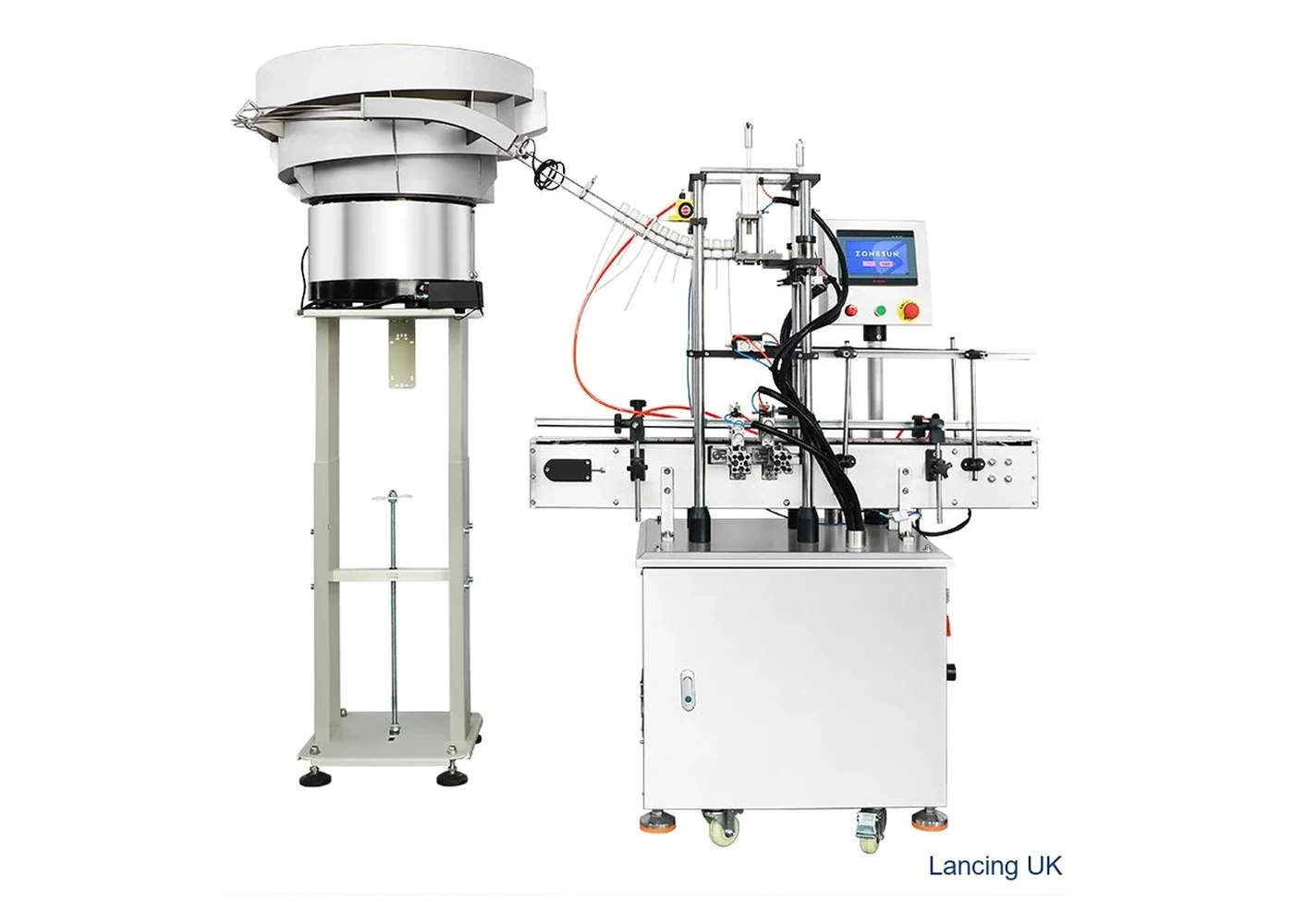
Cleaning boundary
The capping machine may not contact the product intentionally, but spills, overfilled bottles and contaminated closures can transfer residue into the capping area.
| Zone | Typical items | Planning question |
|---|---|---|
| Product-contact or spill-contact | Any surface exposed by an open bottle, damaged container, overfill or product splash. | What product, allergen, chemical or microbiological control applies, and can the surface be accessed safely? |
| Pack-contact | Chuck or insert, cap contact surfaces, bottle clamp, neck support, guides, belts and transfer rails. | Can residue, dust or wear affect grip, torque, appearance, bottle stability or cross-contamination? |
| Non-contact machine structure | Frame, posts, guards, cabinets, sensors and outer surfaces. | Which cleaning method is compatible with seals, bearings, electrical parts and the machine’s environmental rating? |
| Removed change parts | Chucks, inserts, guide parts, stars, clamps and format-specific tools. | How are parts identified, cleaned, dried, inspected, stored and protected from mixing? |
| Surrounding line area | Conveyor, drip trays, cap feeder, reject area and floor around the machine. | Who owns the boundary and how is recontamination prevented before restart? |
Method selection
Confirm the machine rating, materials, product safety information and site procedure before using water, steam, solvents or aggressive chemicals.
Suitable only where the product and contamination can be removed safely without spreading dust or leaving residue. Define approved tools and extraction where needed.
Confirm cleaning-agent compatibility with belts, seals, coatings, plastics, labels, sensors and electrical enclosures before routine use.
Use only where the machine and all exposed components are designed for the method. Stainless steel alone is not evidence of enclosure or washdown suitability.
Identify the correct disassembly sequence, support heavy or awkward parts and protect calibrated settings where the change part is format-specific.
Check for residue, damage, trapped fragments, loose fasteners, incorrect assembly and contamination of gripping or sensing surfaces.
Replace guards, remove tools, restore utilities, confirm the format and inspect first-off packs before returning the line to routine production.
Changeover record
A changeover is complete only when the machine is clean, correctly assembled and producing the approved finished closure.
Record the outgoing format, isolate as required, identify contamination and segregate rejected or open packs.
Match tooling to the format, inspect wear surfaces, clean the defined zones and protect parts from damage or mixing.
Verify assembly, guards, settings, bottle control, cap finish, thread engagement, cap height and the agreed quality checks on first-off packs.
Buyer questions
The correct method depends on the product, machine construction and the site’s validated cleaning system.
No. Stainless structural parts do not prove that motors, bearings, seals, controls, sensors, connectors and enclosures can withstand water or cleaning chemicals. Confirm the complete machine rating and approved cleaning method before wet cleaning.
Yes. Residue, moisture or cleaning-agent film on the cap, chuck, insert, spindle contact or bottle support can change friction and grip. Recheck the accepted finished pack after cleaning or tooling work before routine production resumes.
Clean them at the interval defined by product contamination, cap dust, surface marking, grip change and the site hygiene plan. Also inspect after a spill, damaged cap, product change or any event that could leave residue on the gripping surface.
Use the product owner’s risk assessment, safety data, segregation rules and validated cleaning method. Do not assume a general capping-machine cleaning process is adequate for allergen control, hazardous chemicals or product-contact requirements.
Record the machine and format, reason for cleaning, product or contamination, method and agent used, parts removed, inspection result, reassembly checks, first-off closure checks, person completing the work and production release.
Safe cleaning
HSE guidance for packaging machinery highlights the need for guarding and a safe system of work for routine cleaning. The final procedure must be based on the installed machine and site risk assessment.
Review conveyor nip points, fixed or interlocked guards and the safe system used for daily or hygienic cleaning.
Connect cleaning access to isolation, guard replacement, training, inspection and controlled restart.
Related guidance
Use these pages to define the practical release method for each format.
Control tooling, settings, first-off packs and restart checks for every format.
Inspect wear parts, settings and closure quality after planned or corrective work.
Verify thread engagement, cap position, liner condition and the approved pack test.
Send product information, bottle and cap samples, current cleaning procedure and format schedule so Lancing can review access, tooling and acceptance needs.