01
Why cap presentation matters
The capping head can only work reliably when caps arrive in the correct position. Poor presentation causes misapplied caps, stoppages and operator intervention.
Cap feeding
Cap feeding is often the part of a capping project that decides the final line speed. Lancing can help compare manual cap placement, cap elevators, chutes and bowl feeders for screw capping machinery.
Selection notes
Cap feeding is often the part of a capping project that decides the final line speed. Lancing can help compare manual cap placement, cap elevators, chutes and bowl feeders for screw capping machinery.
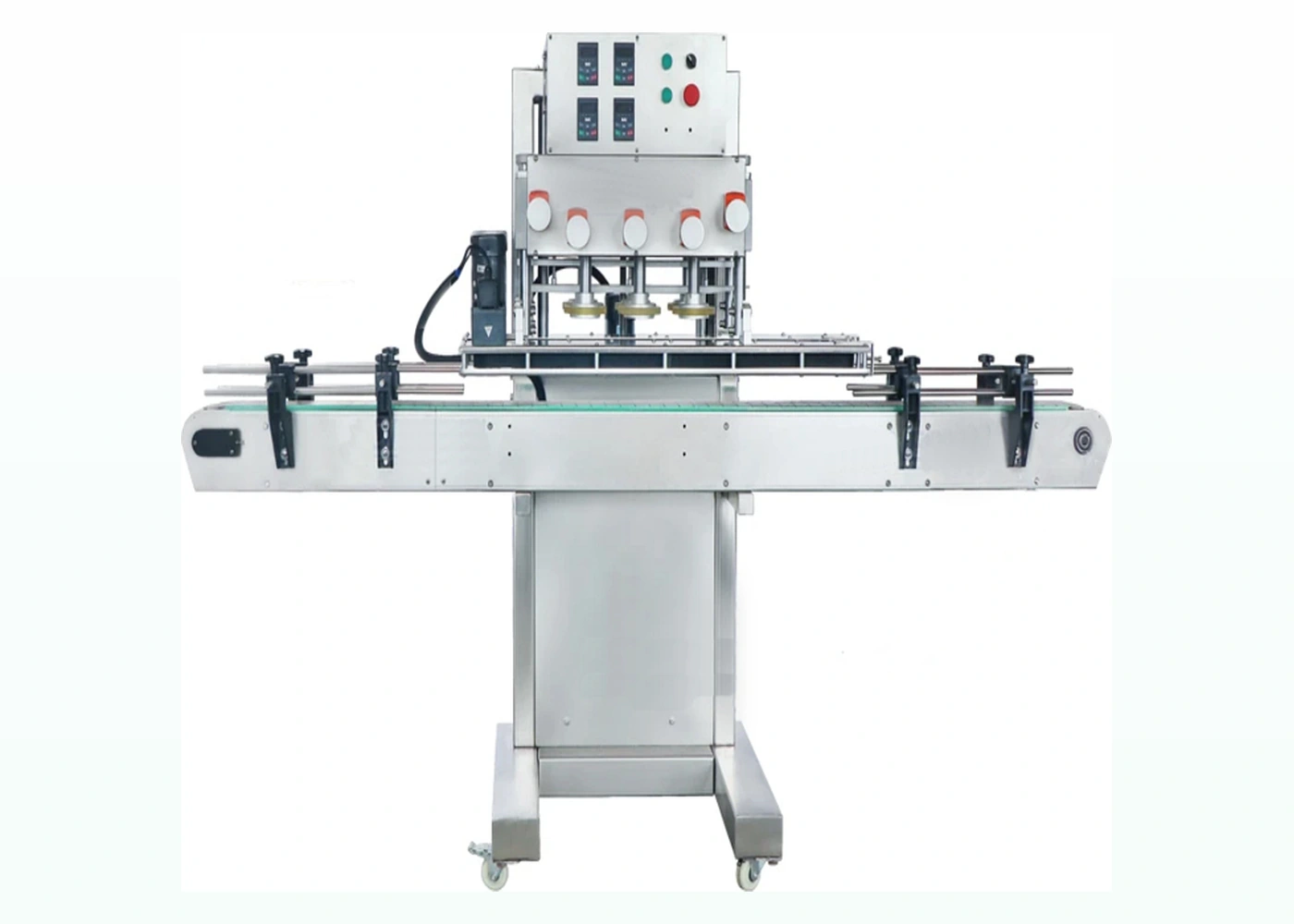
Buying detail
The capping head can only work reliably when caps arrive in the correct position. Poor presentation causes misapplied caps, stoppages and operator intervention.
Manual placement may suit lower-volume work. Cap elevators and bowl feeders are usually considered when output rises or when operators need to be removed from repetitive cap presentation tasks.
Pumps, triggers and asymmetrical closures are harder to feed than simple round screw caps. Samples are essential before assuming a feed route.
Include cap diameter, closure type, bottle size, target output, available space and whether the capper needs to connect to filling or labelling equipment.
Related routes
Use this route to compare the next stage of the screw capping project.
Use this route to compare the next stage of the screw capping project.
Use this route to compare the next stage of the screw capping project.
Use this route to compare the next stage of the screw capping project.
Use this route to compare the next stage of the screw capping project.
Use this route to compare the next stage of the screw capping project.
FAQs
Most automatic capping lines need a planned cap presentation method, although the exact feeder depends on the cap.
Sometimes, but orientation and height make these closures more complex than standard caps.
Send caps, bottles, target speed and photos or drawings of the closure where possible.