01
Hygiene and product contact areas
The capper is not always in direct product contact, but product residue around the neck can affect cleanliness and closure quality. The filling and capping stages should be reviewed together.
Food and drink capping
Food and drink capping projects must balance hygiene, closure integrity, product residue and output. Lancing can help compare suitable screw capping routes for food bottles and jars.
Selection notes
Use a filled bottle from the normal process and its production closure. Record any product on the neck or closure, the condition of the thread start and whether the pack is held squarely during tightening. Check seating and the agreed opening or leak result against an accepted sample, including the first packs after cleaning or restart.
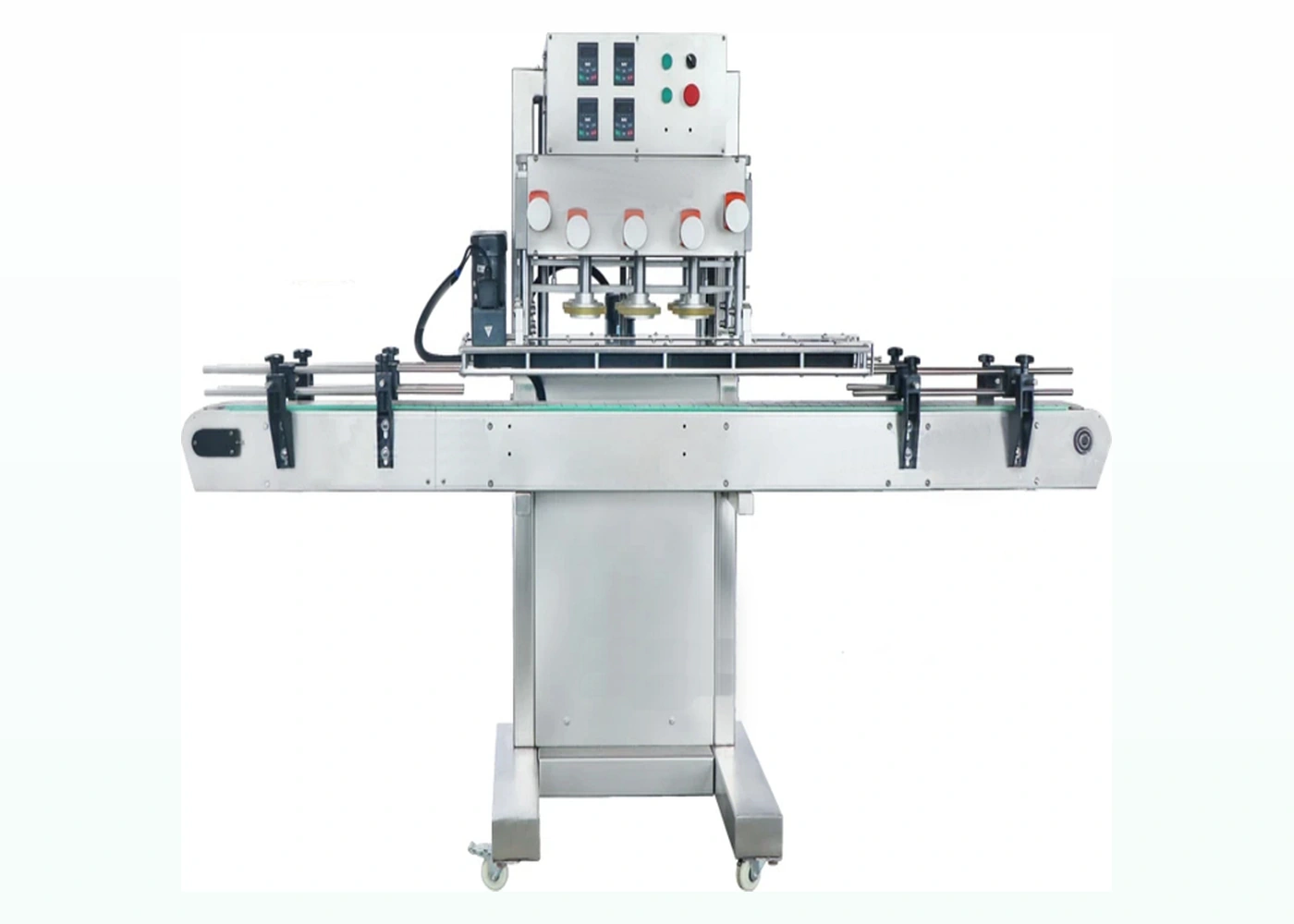
Buying detail
The capper is not always in direct product contact, but product residue around the neck can affect cleanliness and closure quality. The filling and capping stages should be reviewed together.
Food products may require reliable sealing and consistent torque to reduce leakage or spoilage risk. Samples and real production conditions are important.
Food producers often run multiple recipes or pack sizes. Changeover time and format flexibility should be considered alongside headline speed.
Include cap diameter, closure type, bottle size, target output, available space and whether the capper needs to connect to filling or labelling equipment.
Related routes
Use this route to compare the next stage of the screw capping project.
Use this route to compare the next stage of the screw capping project.
Use this route to compare the next stage of the screw capping project.
Use this route to compare the next stage of the screw capping project.
Use this route to compare the next stage of the screw capping project.
FAQs
Many can, but hygiene, residue and closure security should be reviewed.
Suitability depends on bottle or jar shape, cap style, product type and output.
Yes. Lancing also supports filling machinery and line integration.