01
Jar diameter and cap width
Jars often have wider caps than bottles, which can change the required tooling and the way the container is held during tightening.
Jar capping
Jar screw capping machines need to account for container diameter, cap width, product residue and the torque needed to close the pack consistently.
Selection notes
Jar screw capping machines need to account for container diameter, cap width, product residue and the torque needed to close the pack consistently.
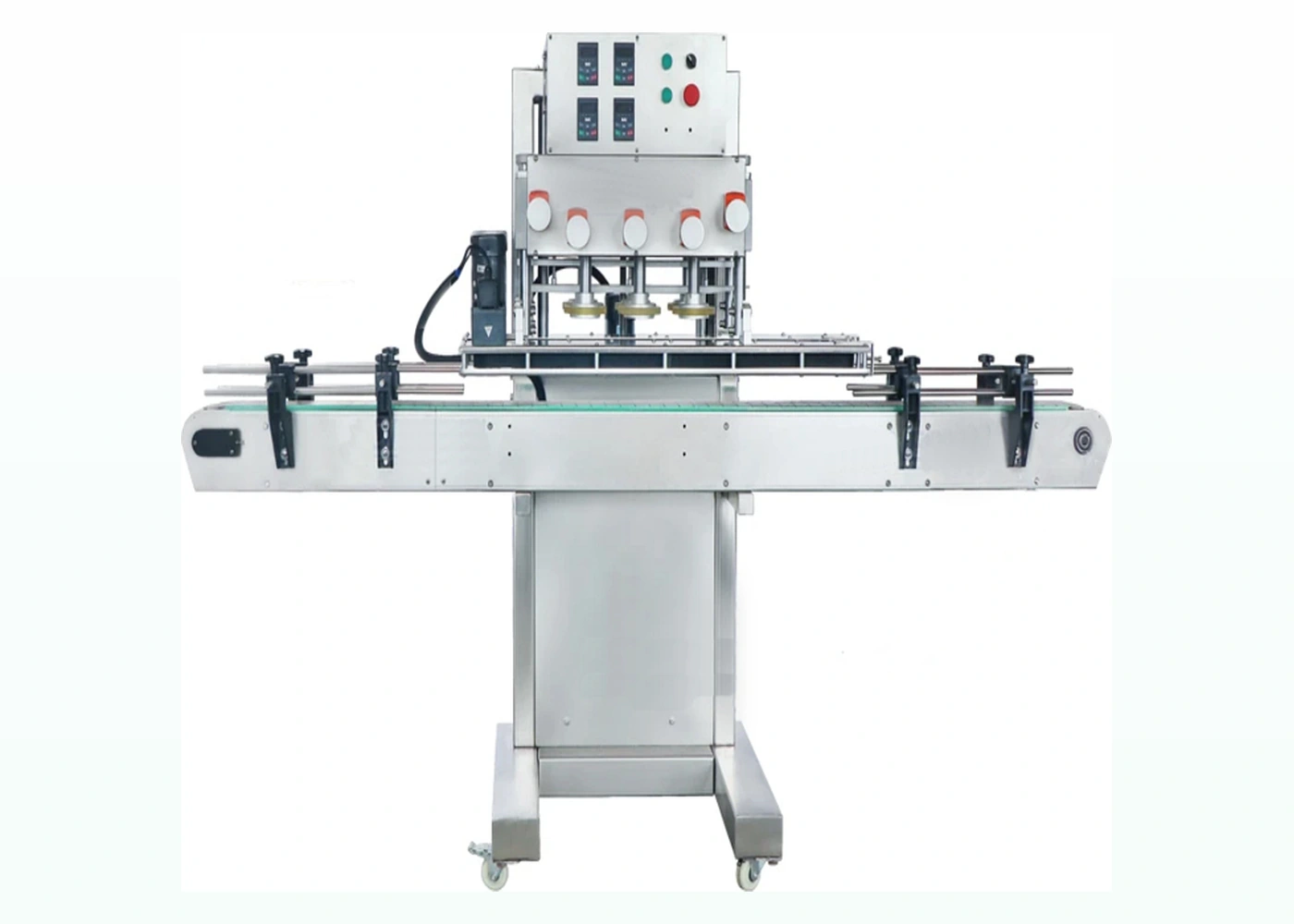
Buying detail
Jars often have wider caps than bottles, which can change the required tooling and the way the container is held during tightening.
Jars may be used for creams, gels, powders, foods and specialist products. Product residue around the rim can affect cap seating and presentation.
Semi automatic capping can suit lower-volume jar production, while automatic systems may be considered if the pack is stable and repeatable.
Include cap diameter, closure type, bottle size, target output, available space and whether the capper needs to connect to filling or labelling equipment.
Related routes
Use this route to compare the next stage of the screw capping project.
Use this route to compare the next stage of the screw capping project.
Use this route to compare the next stage of the screw capping project.
Use this route to compare the next stage of the screw capping project.
Use this route to compare the next stage of the screw capping project.
FAQs
Sometimes, but cap diameter, jar diameter and holding method must be checked.
It depends on the closure and liner. Wider caps may require different handling.
Yes, but filling, transfer and capping should be planned together.
Provide a drawing or supplier reference that identifies the intended jar-and-lid engagement. Do not use jar lid as the only closure description when requesting a screw capper. If another closure process is needed, that should be identified before selecting a tightening machine.
For a threaded jar, send the widest lid and the most difficult jar body in the intended range. Mark the acceptable contact areas, the finished lid position and any cosmetic restrictions. Include filled samples where possible so support is assessed on the production pack.
No. State the actual closure and process requirement and request an appropriate technical review. Tightening a threaded lid and establishing a specified vacuum or preservation process are different requirements and should not be treated as interchangeable.