01
Check the cap geometry
Flip-top caps may have an offset hinge or non-round grip profile. This can affect how the cap is held and how the capping head applies torque.
Flip-top threaded caps
Many flip-top closures are threaded screw caps with a hinged lid. They need the same torque planning as other screw caps, with added attention to cap shape and presentation.
Selection notes
Many flip-top closures are threaded screw caps with a hinged lid. They need the same torque planning as other screw caps, with added attention to cap shape and presentation.
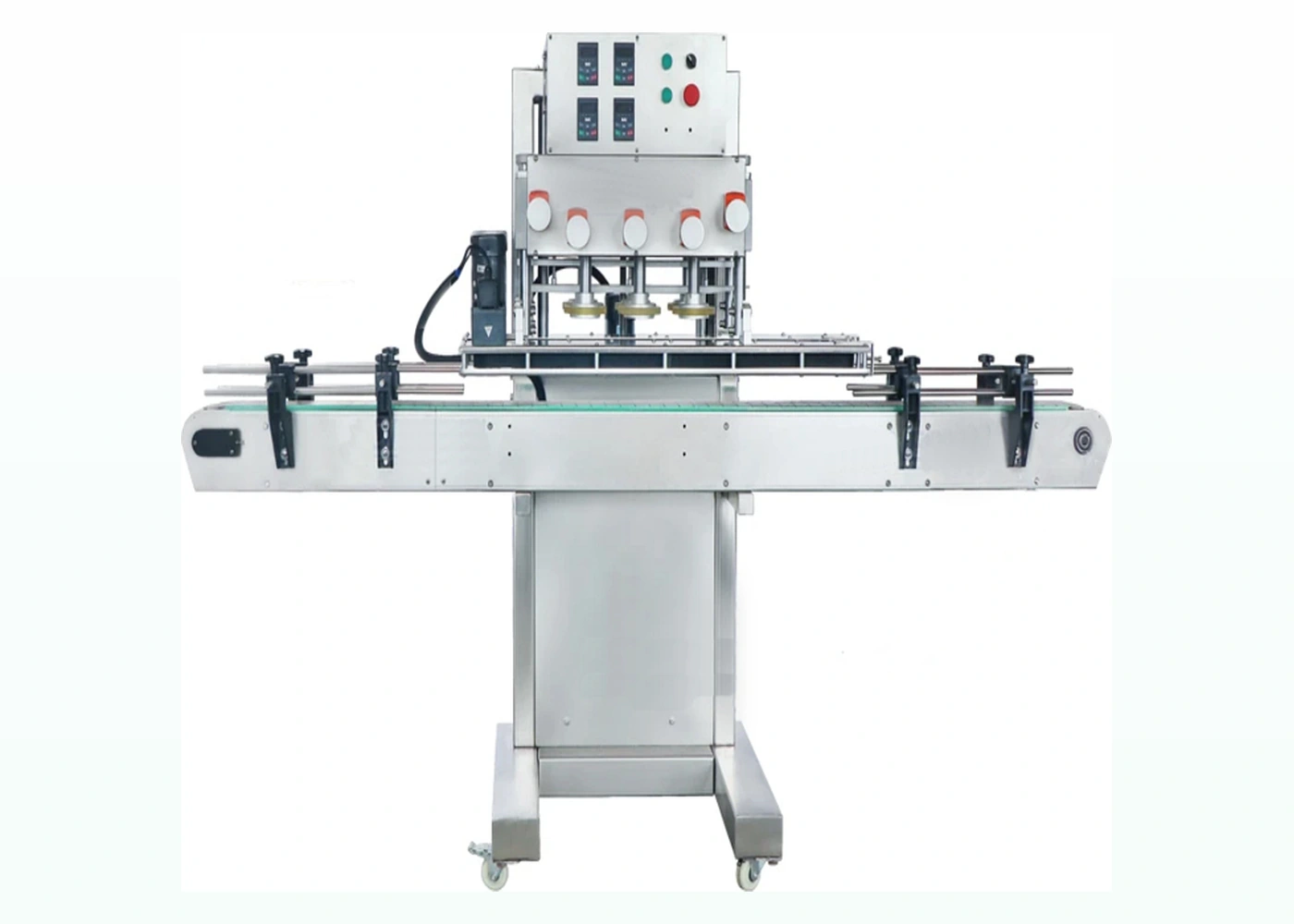
Buying detail
Flip-top caps may have an offset hinge or non-round grip profile. This can affect how the cap is held and how the capping head applies torque.
Flip-top packs are often presentation-led. The capper should tighten consistently while avoiding visible scuffing or distorted lids.
If one line runs several flip-top caps, each cap family should be checked for height, diameter, hinge position and tooling requirements.
Include cap diameter, closure type, bottle size, target output, available space and whether the capper needs to connect to filling or labelling equipment.
Related routes
Use this route to compare the next stage of the screw capping project.
Use this route to compare the next stage of the screw capping project.
Use this route to compare the next stage of the screw capping project.
Use this route to compare the next stage of the screw capping project.
Use this route to compare the next stage of the screw capping project.
FAQs
Threaded flip-top caps can often be handled as screw closures if the cap shape suits the tooling.
Yes. Hinge position and cap shape can affect how the closure is gripped and tightened.
Possibly, but change parts and settings should be reviewed.
Buyer decision support
A threaded flip-top closure includes a bottle attachment and a hinged dispensing feature. The capper must act on the intended tightening surface without forcing the hinge, lid or dispensing parts into an unintended state. Press-on variants require a different application assessment.
| Question | Why it matters |
|---|---|
| Is the bottle attachment threaded? | Confirm the actual closure and neck finish rather than selecting a screw capper from the appearance of the flip lid. |
| Will the lid be open or closed during application? | Tool access and handling must match the supplied presentation, not an assumed state. |
| Which surfaces may the tool contact? | Identify hinge clearance, top features, decoration and the grip zone from drawings and real samples. |
| Must the lid point in a particular direction? | Angular presentation relative to the bottle is a separate requirement. Do not assume a torque-controlled stop will also provide the required orientation. |
| What functions must pass after application? | Check accepted seating, dispensing, lid closing and the relevant package-integrity requirements. |
Provide complete closures and representative filled bottles with the intended cap presentation. Include any orientation or appearance reference and state what cannot be marked or contacted. The neck-finish compatibility guide and cap-height inspection guide give the next evidence checks without implying suitability for every flip-top design.