01
Bottle stability comes first
Tall, light or flexible bottles may need different guides, clamps or belt support compared with heavier rigid containers. Stability affects speed, torque control and the amount of operator intervention required.
Bottle capper route
A bottle capping machine must match both the container and the closure. Lancing UK helps buyers compare bottle capper routes for plastic bottles, glass bottles, jars and shaped containers where consistent cap tightening is required.
Selection notes
A bottle capping machine must match both the container and the closure. Lancing UK helps buyers compare bottle capper routes for plastic bottles, glass bottles, jars and shaped containers where consistent cap tightening is required.
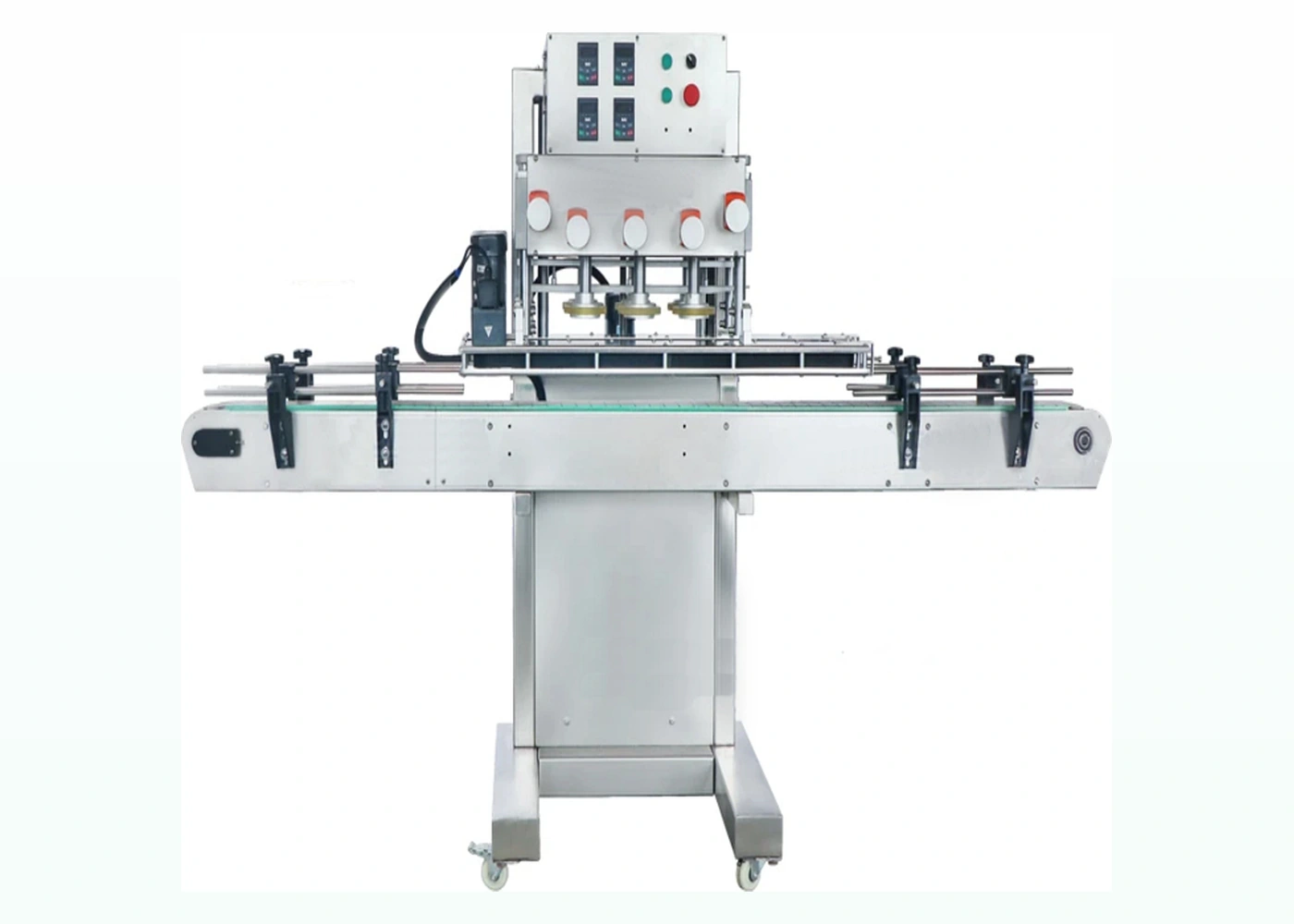
Buying detail
Tall, light or flexible bottles may need different guides, clamps or belt support compared with heavier rigid containers. Stability affects speed, torque control and the amount of operator intervention required.
Standard screw caps, flip-top threaded caps, pump closures and trigger sprays can behave very differently. The cap presentation method and tightening head should be chosen around the real cap, not just the nominal cap diameter.
For automated lines, bottle spacing, upstream filling speed and downstream labelling all influence capper selection. Lancing can help assess whether a standalone capper or integrated bottle capping line is more practical.
Include cap diameter, closure type, bottle size, target output, available space and whether the capper needs to connect to filling or labelling equipment.
Related routes
Use this route to compare the next stage of the screw capping project.
Use this route to compare the next stage of the screw capping project.
Use this route to compare the next stage of the screw capping project.
Use this route to compare the next stage of the screw capping project.
Use this route to compare the next stage of the screw capping project.
FAQs
Bottle size, cap type, cap diameter, thread style, target output and any integration requirements are the key starting points.
Often yes, but change parts, guides and cap handling must be checked against every bottle and cap family.
Not always. A semi-automatic route may be more flexible for smaller batches and frequent changeovers.