01
Bottle and cap fit
Confirm the bottle neck finish, cap thread, closure height and required finished-pack result.
Spray and pump closures
Choose a screw capper for pumps, trigger sprays and spray closures where cap orientation, tube handling and controlled tightening are important.
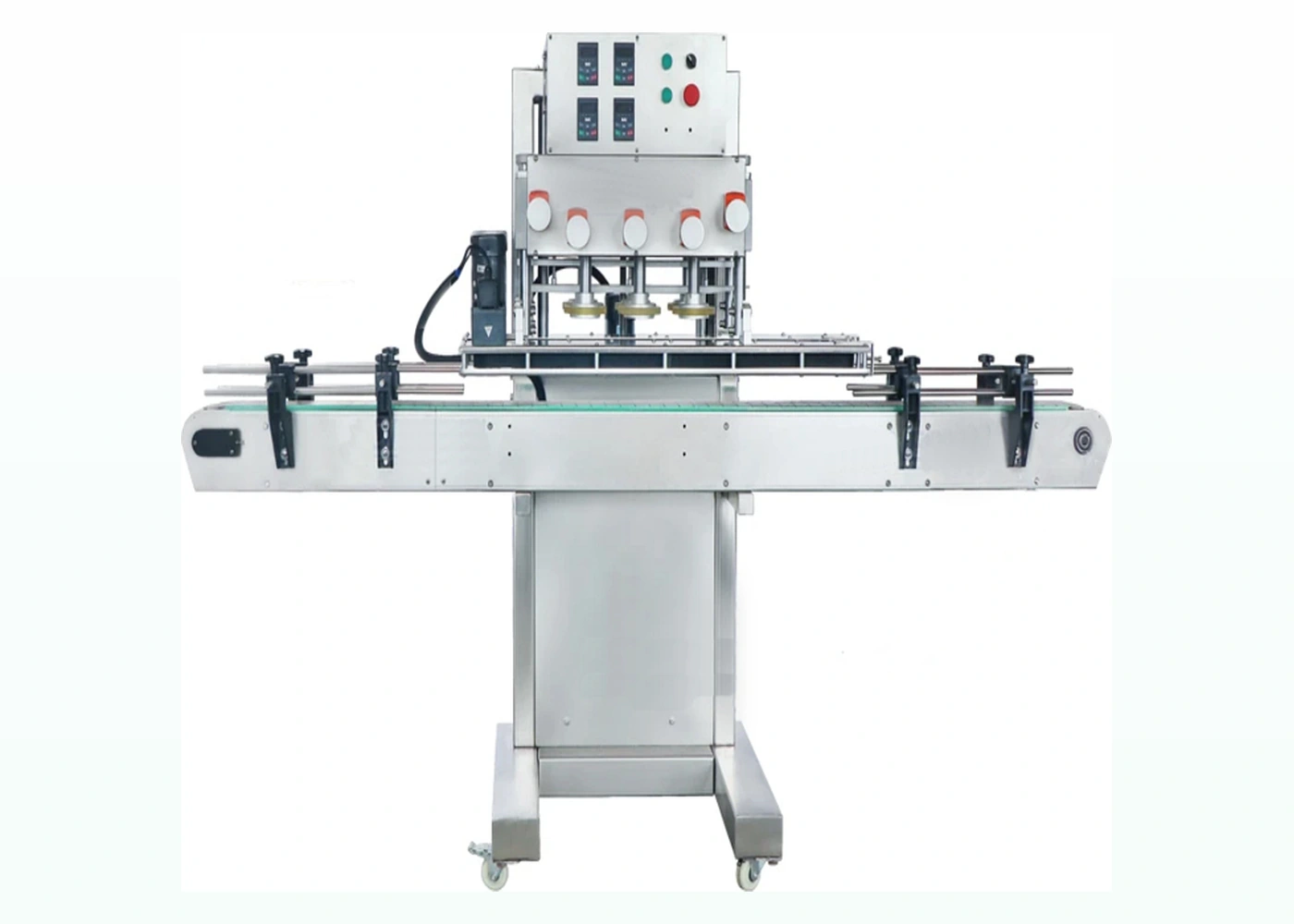
Pumps and trigger sprays often need more careful handling than a simple flat cap. The closure may be taller, less stable and more sensitive to presentation. A good shortlist checks whether the operator will place caps by hand or whether a cap feeding and orientation system is needed.
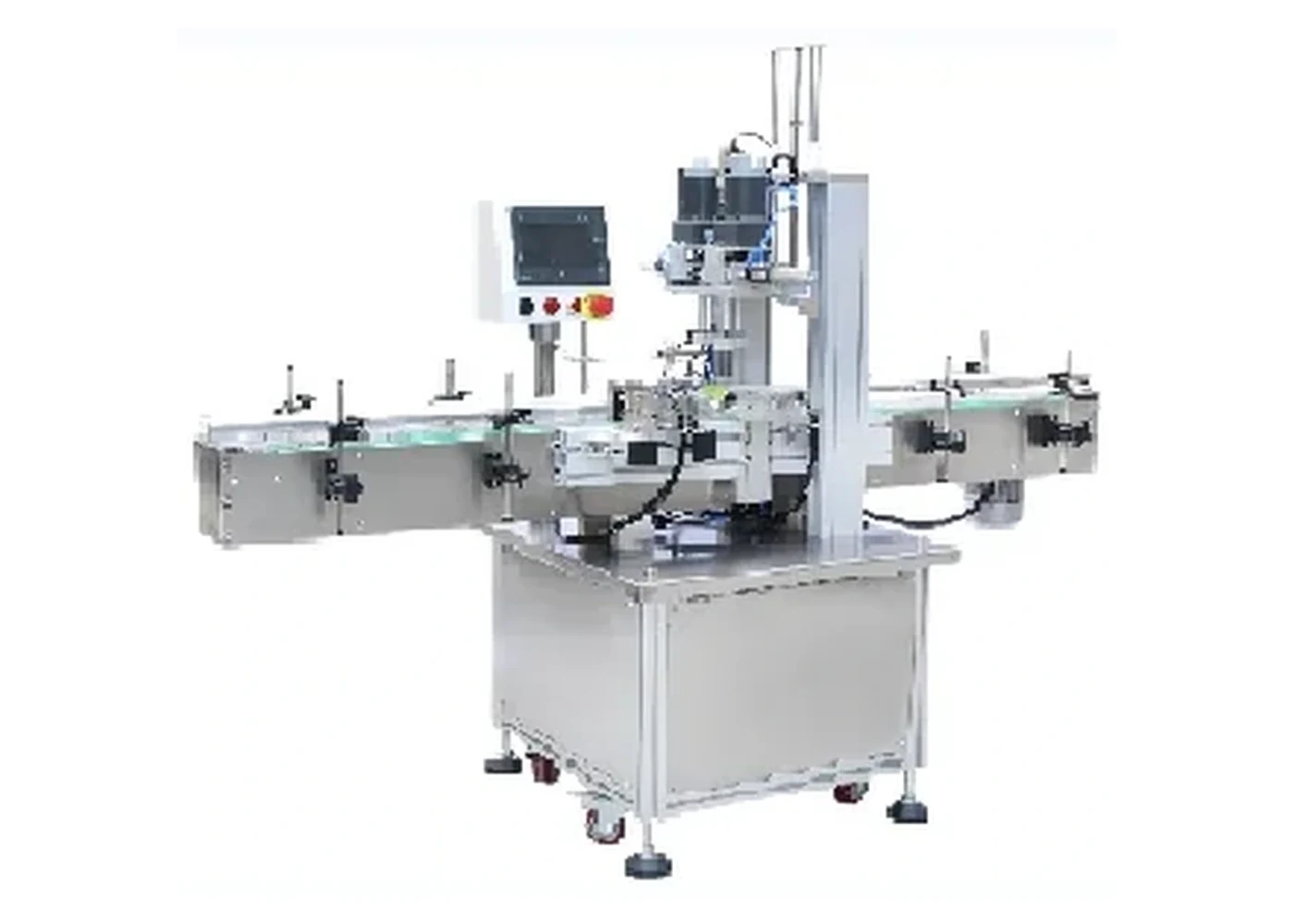
The right machine depends on bottle shape, neck finish, closure style, target speed and the level of automation required.
Planning points
Confirm the bottle neck finish, cap thread, closure height and required finished-pack result.
Check target bottles per minute or bottles per hour and whether the operator can sustain the workflow.
Decide whether the capper is standalone or needs to connect to filling, labelling or conveyors.
FAQs
Send bottle dimensions, cap type, cap diameter, target output, product type, photographs and whether cap feeding or line integration is required.
Yes. Representative bottles and caps help confirm grip, torque, cap presentation and changeover requirements.
Many screw capping machines can be supplied as standalone equipment or planned as part of a filling, capping, labelling and conveyor line.
Send photos, samples or dimensions and Lancing UK will help shortlist the most suitable machinery route.
Closure handling
Pumps, spray closures and triggers combine a threaded cap with a taller body and often a flexible dip tube. The tightening head is only one part of the project: the closure must be separated, oriented, guided into the bottle neck and held squarely while the thread engages.
Manual placement can be the most flexible route for short batches or many closure variants. It allows an operator to guide the tube and feel a poor start before the capper cycles. Automatic presentation can reduce labour and support higher output, but the exact closure must be tested for nesting, tangling, orientation, cosmetic marking and reliable handover. Feeder-specific work should be reviewed through Cap Feeders UK.
Tall closures increase leverage on a light bottle. Guides, clamps or side belts should hold the container without crushing it while allowing the closure to settle onto the correct thread start. Inspect for bent tubes, caps sitting high, cross-threading and visible damage to decorative collars or pump bodies.
There is no universal torque value for pumps or triggers. Establish the accepted application or removal result with the closure and bottle supplier or approved pack, then confirm final cap height, liner or seal condition, tube function, leakage and opening experience. Record the test method with the machine setting.
Different dip-tube lengths, trigger shapes and collar diameters may need separate guides or contact tooling. The line layout must allow closure replenishment, operator access and recovery from a misfeed. Confirm filler discharge, bottle spacing, conveyor height, labeller clearance and any controls interface.
Send all closures with production tubes, matching bottles at working weight, target output, batch sizes, cap-placement method and an approved finished pack. The cap feeder versus manual placement guide and pump and trigger application page help prepare the brief.
Buyer FAQ
They are taller, may include long dip tubes and can arrive in inconsistent orientations. Presentation and bottle stability often limit output before tightening does.
Sometimes the base platform can be reconfigured, but the contact parts, height, guides and placement method may differ. Each closure family should be trialled.
Provide pumps or triggers with their production dip tubes, matching bottles at working weight, all cap variants and examples of accepted finished packs.
The placement method should guide the tube into the neck without bending, catching the shoulder or forcing the closure onto the wrong thread start.
No. Closure shape, tube behaviour, nesting and surface finish determine whether a bowl, elevator, conveyor or custom presentation route is practical.
Check thread engagement, final height, torque or opening result, tube condition, bottle marking, leakage or closure integrity and sustained output with the intended placement method.