01
Bottle and cap fit
Confirm the bottle neck finish, cap thread, closure height and required finished-pack result.
Bottle capper route
Compare bottle screw capping machines for plastic and glass bottles, jars and threaded containers where repeatable torque and bottle stability matter.
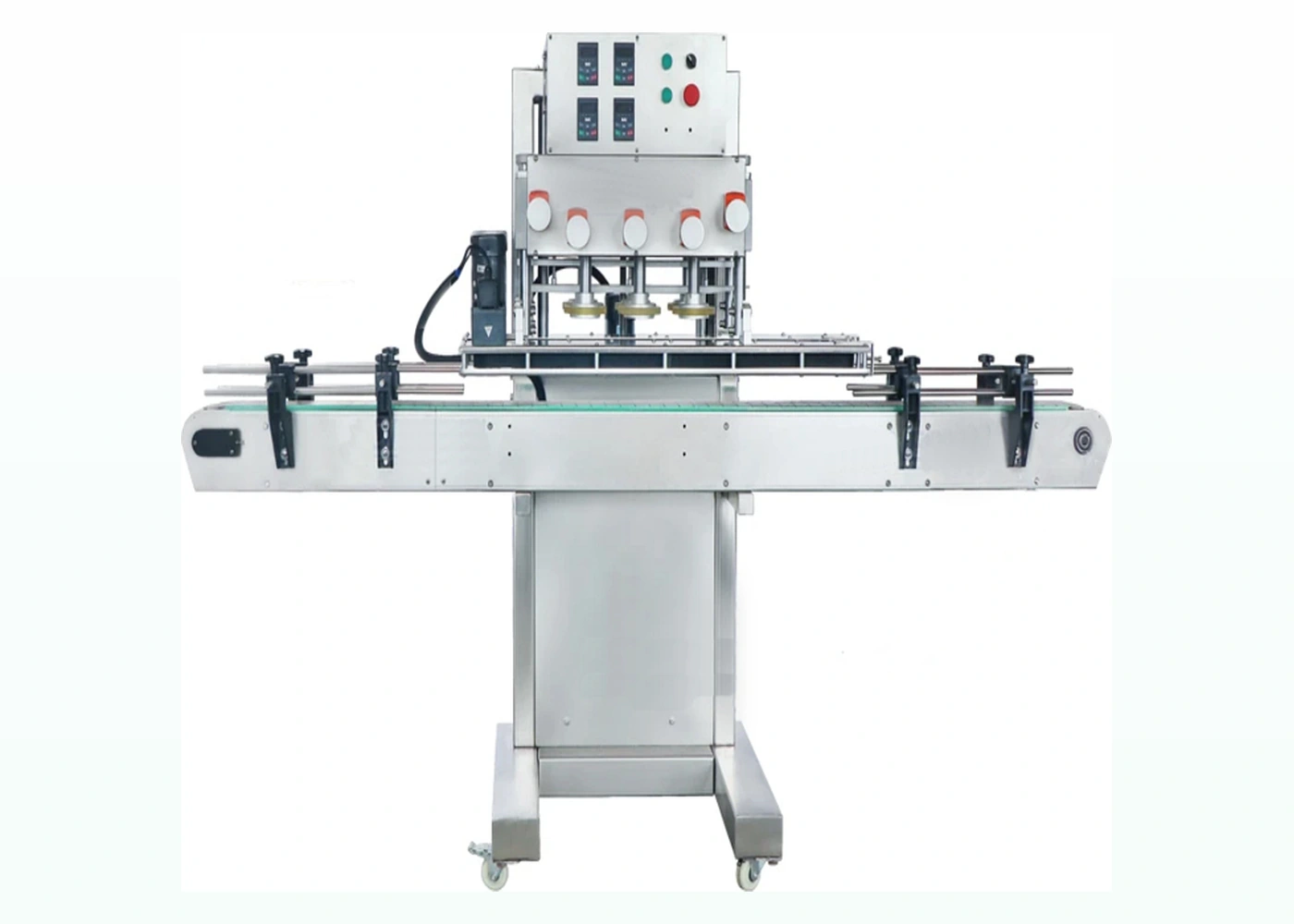
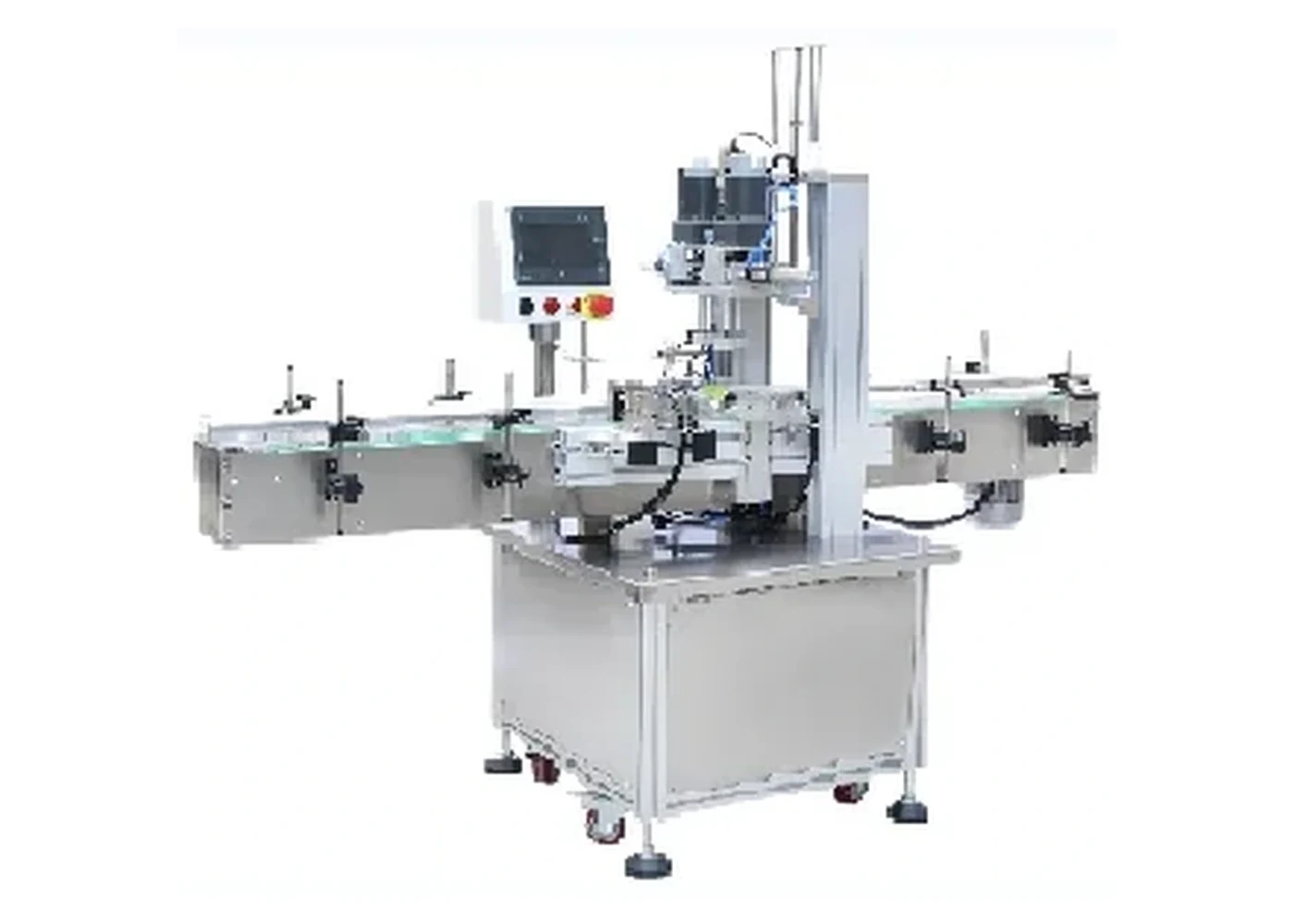
A bottle screw capping machine is selected around the bottle diameter, cap diameter, cap style, thread engagement and target output. Low-volume production can use a semi-automatic bench capper, while higher-volume lines usually need inline bottle handling and automatic cap presentation.
Lancing UK can review bottle samples, closures and line speed before recommending semi-automatic, compact or automatic screw capping equipment.
Planning points
Confirm the bottle neck finish, cap thread, closure height and required finished-pack result.
Check target bottles per minute or bottles per hour and whether the operator can sustain the workflow.
Decide whether the capper is standalone or needs to connect to filling, labelling or conveyors.
FAQs
Send bottle dimensions, cap type, cap diameter, target output, product type, photographs and whether cap feeding or line integration is required.
Yes. Representative bottles and caps help confirm grip, torque, cap presentation and changeover requirements.
Many screw capping machines can be supplied as standalone equipment or planned as part of a filling, capping, labelling and conveyor line.
Send photos, samples or dimensions and Lancing UK will help shortlist the most suitable machinery route.
Bottle and closure system
The bottle is part of the capping mechanism. Height, diameter, shoulder shape, neck finish, rigidity, filled weight and centre of gravity determine how the pack can be located, clamped or guided while torque is applied. The most difficult bottle often controls the machine style even when most formats are easy to run.
A bench or semi-automatic chuck capper is useful where an operator places caps and format flexibility matters. A compact or automatic single-head machine adds controlled inline handling. A belt/spindle screw capper suits continuous lines when the bottle can be stabilised and caps are placed consistently. Use the chuck versus spindle comparison for the detailed trade-offs.
Check that the cap starts squarely, reaches the approved final height and compresses any liner or sealing feature correctly. An over-tight cap may damage threads, distort the pack or make opening difficult; an under-tight or cross-threaded cap may leak even when it looks seated. The acceptance method should combine the relevant torque, height, visual and integrity checks.
Use bottles empty and at production weight, caps from normal supply and all approved format variants. Record the cap-placement method, tooling, bottle support, machine settings and timed-run conditions. Include cap replenishment, minor stops and downstream queues when judging sustained output.
Provide line direction, conveyor height, bottle pitch, upstream filler discharge, downstream inspection or labelling and available accumulation. State whether caps are manually placed or automatically fed. For the broader closure decision use Bottle Cappers UK; for the full family of capping technologies use Capping Machines UK. For this threaded screw-cap project, send Lancing the production pack and target output.
Buyer FAQ
The route depends on bottle stability, closure geometry, output and cap presentation. Bench or semi-automatic machines suit flexible batches; automatic single-head or spindle systems suit more regular inline production.
Filled weight changes stability and grip. Product around the neck can also change thread engagement or tooling contact, so clean empty samples alone may not represent production.
Neck or shoulder support can control a bottle that flexes, rotates or moves vertically during tightening. The support must not damage the pack or interfere with the closure.
Use an approved finished pack, closure drawing or agreed measurement point. Check height together with thread engagement, liner condition and torque or opening result.
Yes, but conveyor height, bottle spacing, accumulation, line direction, controls and access must be reviewed as one line rather than assumed.
Use Bottle Cappers UK or Capping Machines UK for broader closure methods; this site remains focused on threaded screw-cap application and tightening.