01
Handling slippery packs
Oil residue can affect bottle grip and cap seating. Good filling control, clean necks and appropriate bottle support make the capping process more reliable.
Oils and lubricants
Oil bottles need clean handling, consistent closure tightening and stable bottle transfer. The right screw capper depends on bottle shape, cap style, product residue and required output.
Selection notes
Oil bottles need clean handling, consistent closure tightening and stable bottle transfer. The right screw capper depends on bottle shape, cap style, product residue and required output.
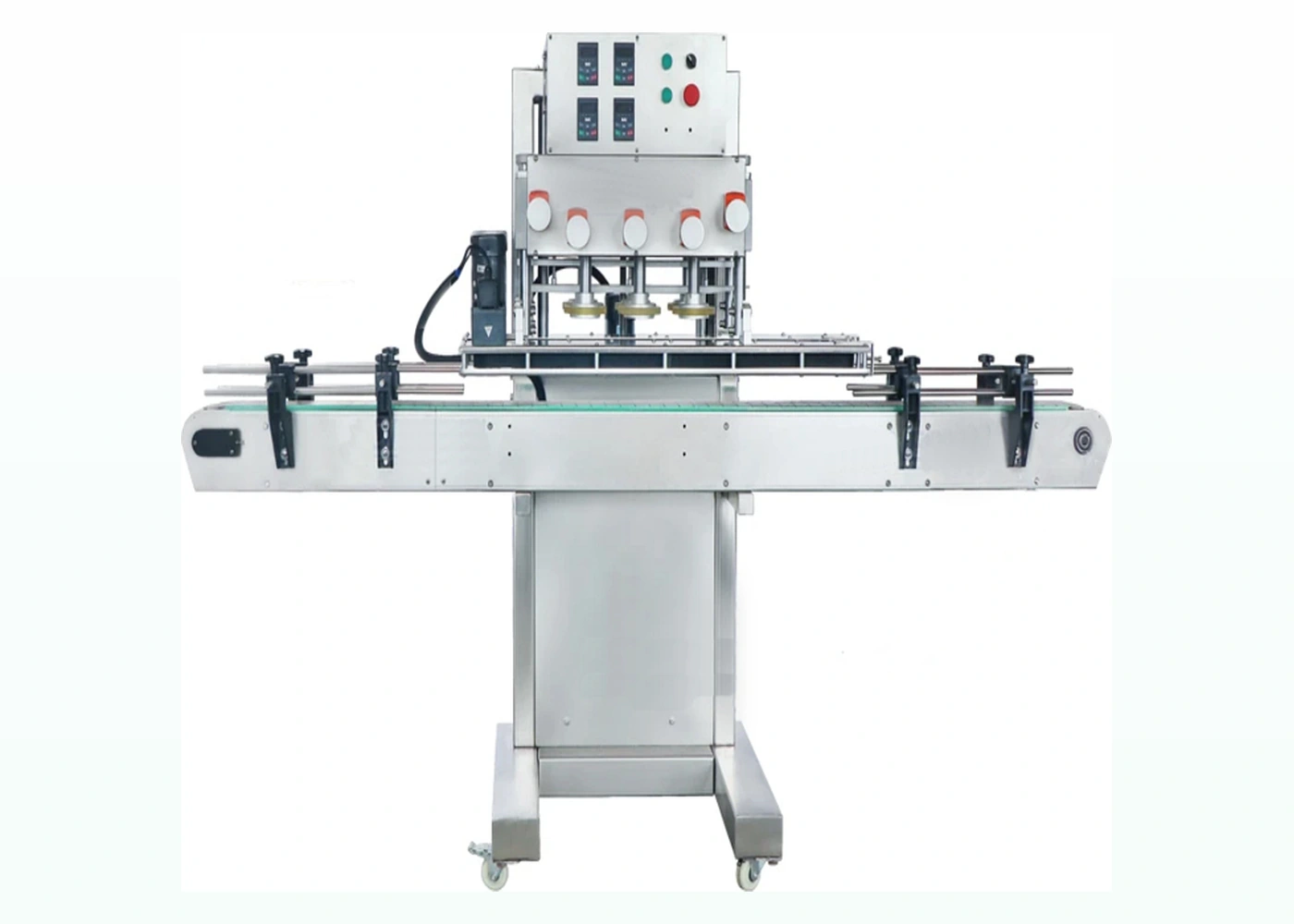
Buying detail
Oil residue can affect bottle grip and cap seating. Good filling control, clean necks and appropriate bottle support make the capping process more reliable.
Caps for oils and lubricants may use liners or tamper features. The tightening route must be checked against the real closure to avoid leaks or damage.
A semi automatic capper can suit lower-volume oil bottling, while an inline automatic capper may be better for repeatable high-output runs.
Include cap diameter, closure type, bottle size, target output, available space and whether the capper needs to connect to filling or labelling equipment.
Related routes
Use this route to compare the next stage of the screw capping project.
Use this route to compare the next stage of the screw capping project.
Use this route to compare the next stage of the screw capping project.
Use this route to compare the next stage of the screw capping project.
Use this route to compare the next stage of the screw capping project.
FAQs
It can. Product on the bottle neck or cap can affect sealing, grip and presentation.
Yes, if bottle stability, cap feed and line layout are suitable.
Use filled samples if possible because weight and residue affect handling.