01
Product and material compatibility
Some chemicals affect seals, caps or equipment materials. The product type and safety data should be discussed early so the capping route can be specified responsibly.
Chemical packaging
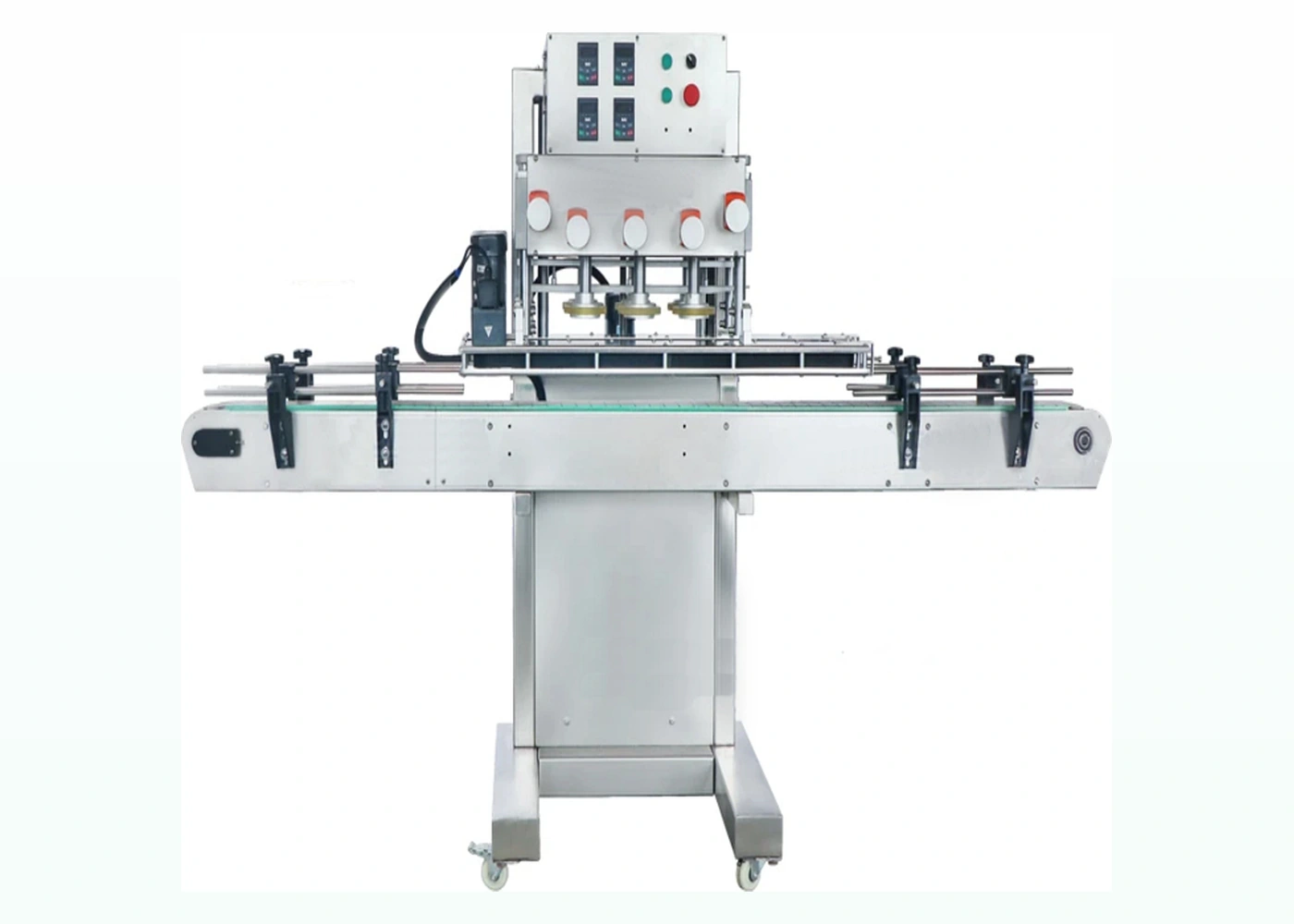
Chemical bottle capping projects need a clear view of container material, closure compatibility, product handling and operator safety. Lancing can help review screw capping options for chemical and industrial liquid packs.
Selection notes
Chemical bottle capping projects need a clear view of container material, closure compatibility, product handling and operator safety. Lancing can help review screw capping options for chemical and industrial liquid packs.
Buying detail
Some chemicals affect seals, caps or equipment materials. The product type and safety data should be discussed early so the capping route can be specified responsibly.
Leaking or loose chemical packs create operational risk. Torque control, cap seating and bottle stability are therefore important parts of the shortlist.
Chemical filling and capping should be planned together, especially where spillage, foaming or fumes affect the production area.
Include cap diameter, closure type, bottle size, target output, available space and whether the capper needs to connect to filling or labelling equipment.
Related routes
Use this route to compare the next stage of the screw capping project.
Use this route to compare the next stage of the screw capping project.
Use this route to compare the next stage of the screw capping project.
Use this route to compare the next stage of the screw capping project.
Use this route to compare the next stage of the screw capping project.
FAQs
Sometimes, but compatibility, safety and cleanability must be reviewed.
Product type, container size, cap type, safety considerations and target output are important.
Lancing can review the wider packaging requirement and advise on suitable routes where applicable.