01
Why torque varies
Torque can vary because of cap material, liner compression, thread moulding, bottle grip, fill weight and operator setup. The machine must be adjusted around real production variation.
Torque control
Torque control is central to screw capping quality. The goal is to apply enough tightening force for a secure closure while avoiding damage, distortion or difficult opening.
Selection notes
Torque control is central to screw capping quality. The goal is to apply enough tightening force for a secure closure while avoiding damage, distortion or difficult opening.
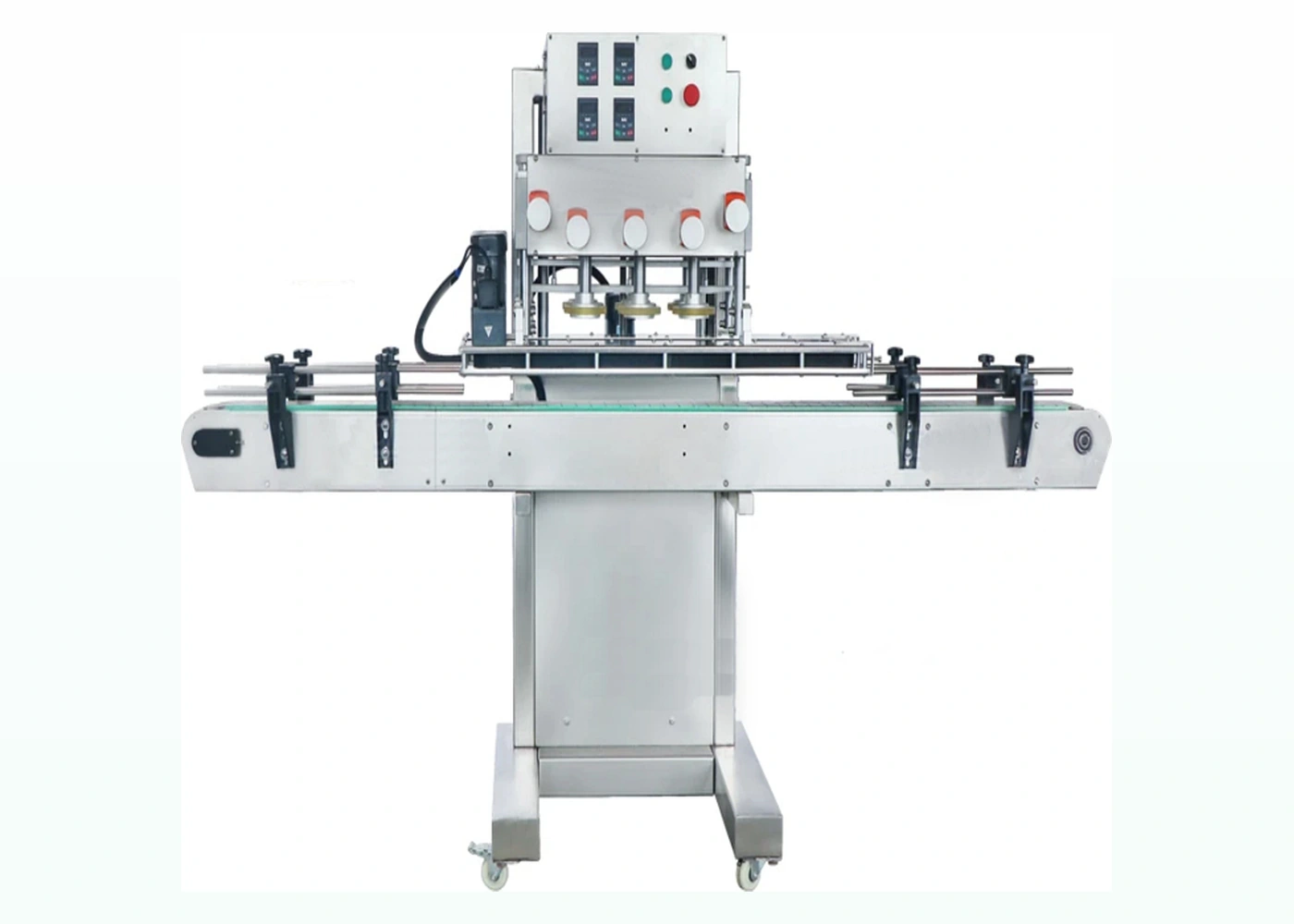
Buying detail
Torque can vary because of cap material, liner compression, thread moulding, bottle grip, fill weight and operator setup. The machine must be adjusted around real production variation.
Torque should be checked with the actual cap and bottle combination. Sample trials help identify whether the chosen machine can achieve the required consistency.
Clear settings and changeover notes help operators return to a known setup when pack formats change or materials vary between batches.
Include cap diameter, closure type, bottle size, target output, available space and whether the capper needs to connect to filling or labelling equipment.
Related routes
Use this route to compare the next stage of the screw capping project.
Use this route to compare the next stage of the screw capping project.
Use this route to compare the next stage of the screw capping project.
Use this route to compare the next stage of the screw capping project.
Use this route to compare the next stage of the screw capping project.
Use this route to compare the next stage of the screw capping project.
FAQs
Application torque is the force used to tighten the cap onto the bottle.
Removal torque is the force needed to open the cap after application and storage.
The achievable range depends on cap, bottle and process variation, so testing is important.