01
Why tooling matters
The capper can only be as consistent as the parts that contact the cap and bottle. Poorly matched tooling can cause slipping, scuffing or unstable tightening.
Tooling and formats
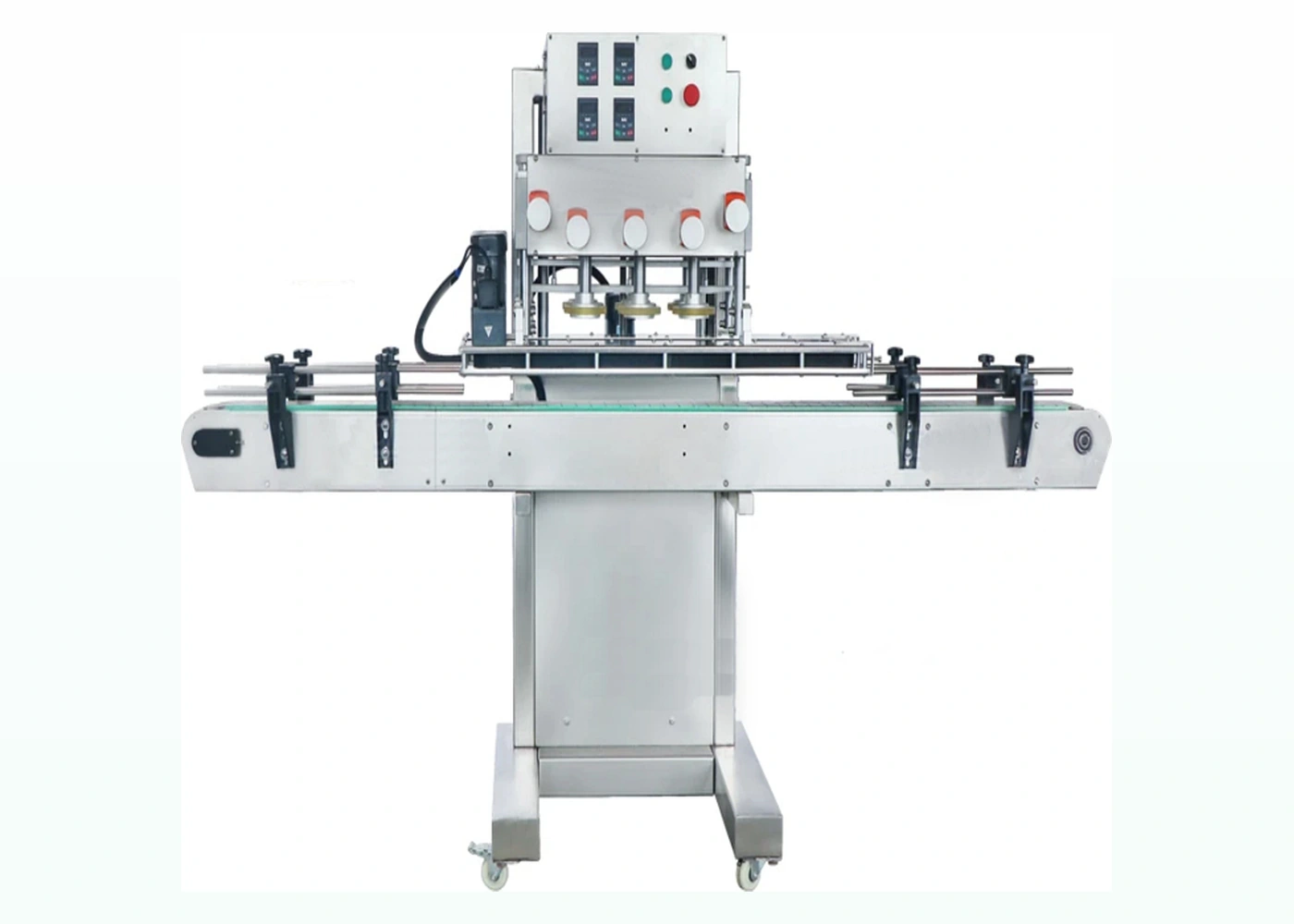
Cap chucks and change parts help a screw capper grip, guide and tighten the closure correctly. They are important when one machine must run multiple bottles or caps.
Selection notes
Cap chucks and change parts help a screw capper grip, guide and tighten the closure correctly. They are important when one machine must run multiple bottles or caps.
Buying detail
The capper can only be as consistent as the parts that contact the cap and bottle. Poorly matched tooling can cause slipping, scuffing or unstable tightening.
When buying a machine, list future bottle and cap sizes so likely change parts can be discussed early. This prevents later surprises when a new SKU is introduced.
Repeatable changeovers depend on labelled parts, clear settings and operators who understand how cap and bottle formats differ.
Include cap diameter, closure type, bottle size, target output, available space and whether the capper needs to connect to filling or labelling equipment.
Related routes
Use this route to compare the next stage of the screw capping project.
Use this route to compare the next stage of the screw capping project.
Use this route to compare the next stage of the screw capping project.
Use this route to compare the next stage of the screw capping project.
Use this route to compare the next stage of the screw capping project.
FAQs
A cap chuck is a part that grips or drives the cap during tightening on suitable capping machines.
Not always. Some changes use adjustments only, but different cap sizes may need dedicated parts.
Yes. Incorrect tooling can scuff or mark caps.