01
Why pumps need extra attention
A pump closure is taller and more complex than a plain screw cap. Dip tube length, actuator shape and cap skirt dimensions can affect presentation and tightening.
Pump closures
Pump cap capping machines need to handle taller closures with dip tubes and orientation considerations. The right route depends on the pump design, bottle neck, filled bottle weight and target output.
Selection notes
Pump cap capping machines need to handle taller closures with dip tubes and orientation considerations. The right route depends on the pump design, bottle neck, filled bottle weight and target output.
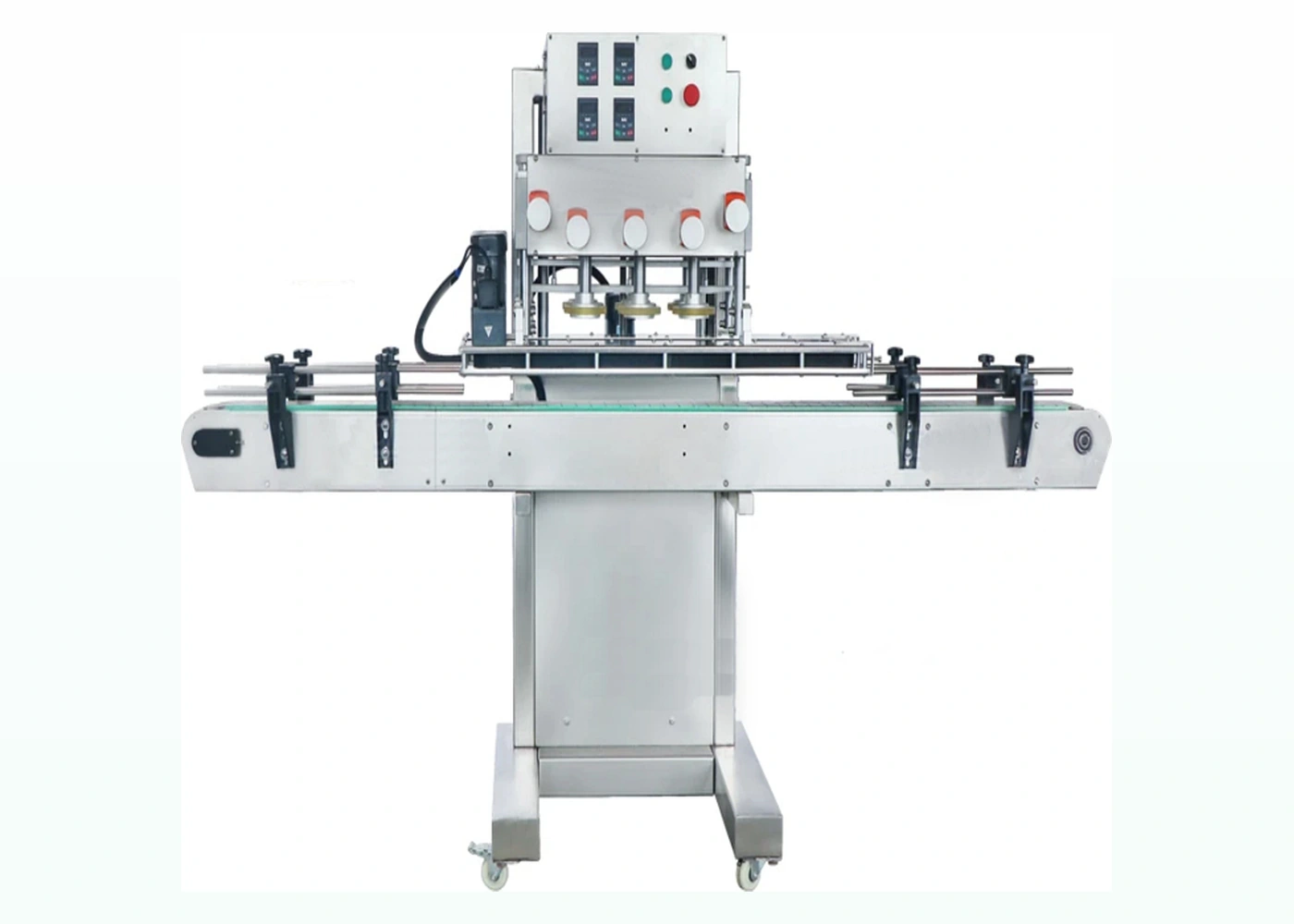
Buying detail
A pump closure is taller and more complex than a plain screw cap. Dip tube length, actuator shape and cap skirt dimensions can affect presentation and tightening.
For lower output, an operator may place pumps into bottles before the machine tightens them. Higher-output projects may require more complex presentation or pre-placement methods.
Pump closures are common in lotions, soaps, cosmetics, household liquids and personal-care packs. Each format should be checked against the capping head and bottle support.
Include cap diameter, closure type, bottle size, target output, available space and whether the capper needs to connect to filling or labelling equipment.
Related routes
Use this route to compare the next stage of the screw capping project.
Use this route to compare the next stage of the screw capping project.
Use this route to compare the next stage of the screw capping project.
Use this route to compare the next stage of the screw capping project.
Use this route to compare the next stage of the screw capping project.
Use this route to compare the next stage of the screw capping project.
FAQs
Sometimes, but many pump caps are difficult to orient automatically. Samples are needed.
It may be possible with suitable tooling, but closure height and actuator shape must be checked.
Thread quality, dip tube movement, bottle grip and cap design can all affect tightening.