01
Bottle stiffness and grip
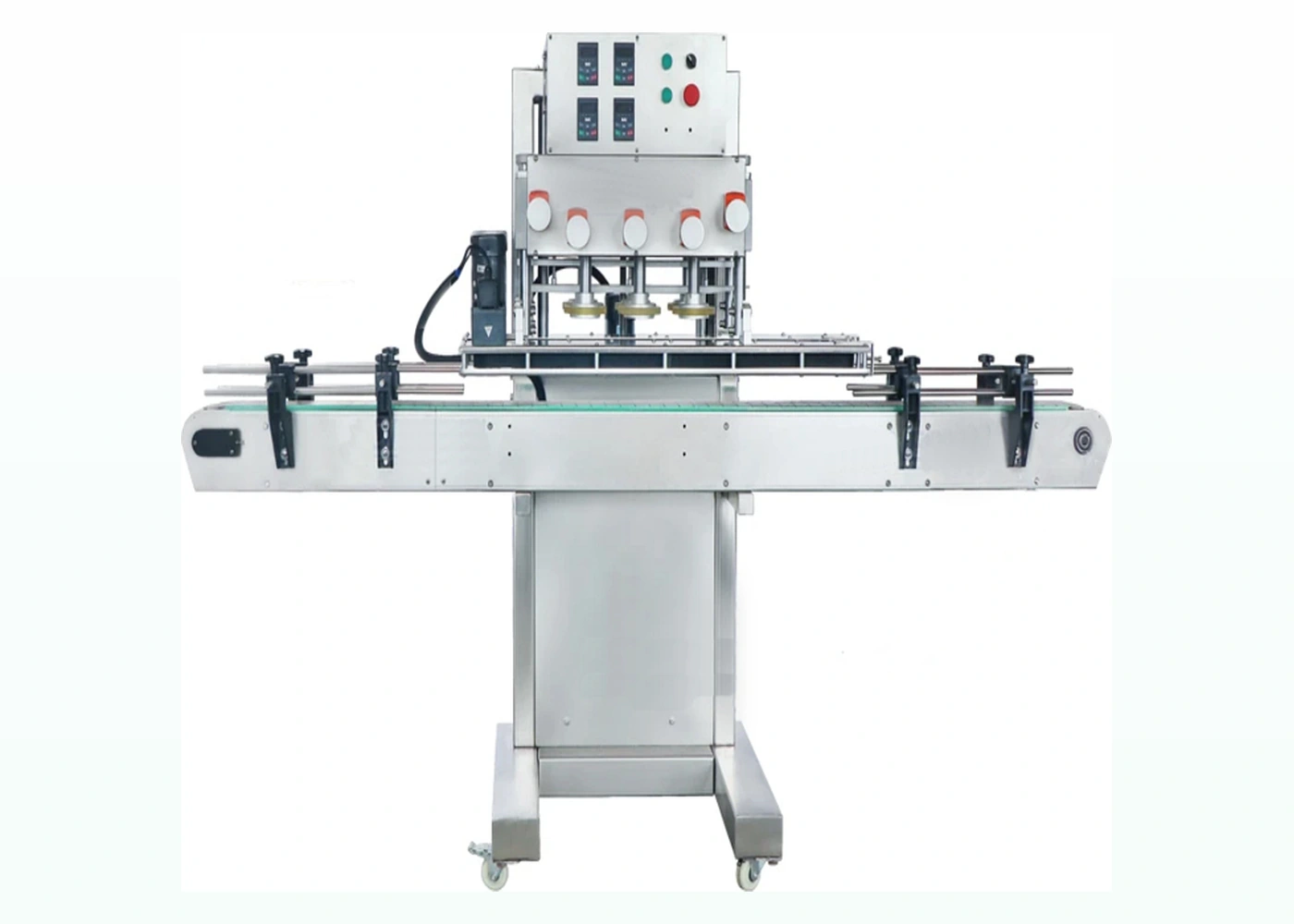
Lightweight plastic bottles can deform or rotate during capping. Guides, clamps or side belts may be needed depending on bottle shape and cap torque.
Plastic bottle capping
Plastic bottles are common across cosmetics, chemicals, food and household products. Their flexibility and weight can affect how well they are guided and supported during screw capping.
Selection notes
Plastic bottles are common across cosmetics, chemicals, food and household products. Their flexibility and weight can affect how well they are guided and supported during screw capping.
Buying detail
Lightweight plastic bottles can deform or rotate during capping. Guides, clamps or side belts may be needed depending on bottle shape and cap torque.
The neck finish and thread consistency affect cap start and torque. Samples should represent real production components rather than prototype-only packs.
A small plastic bottle line may start with semi automatic capping, then move to inline or spindle capping when output grows.
Include cap diameter, closure type, bottle size, target output, available space and whether the capper needs to connect to filling or labelling equipment.
Related routes
Use this route to compare the next stage of the screw capping project.
Use this route to compare the next stage of the screw capping project.
Use this route to compare the next stage of the screw capping project.
Use this route to compare the next stage of the screw capping project.
Use this route to compare the next stage of the screw capping project.
FAQs
They can be if they flex or rotate during tightening.
Side belts or guides can improve stability on suitable inline systems.
Use the final plastic bottle, cap and filled weight wherever possible.