01
Throughput and reliability
Industrial projects should be specified around real sustained output, not just peak machine speed. Bottle feed, cap feed and downstream equipment must all keep up.
Industrial production
Industrial bottle capping machines are used when output, uptime and repeatability are central to the packaging process. They often require cap feeding, conveyors, line controls and reliable changeover routines.
Selection notes
Industrial bottle capping machines are used when output, uptime and repeatability are central to the packaging process. They often require cap feeding, conveyors, line controls and reliable changeover routines.
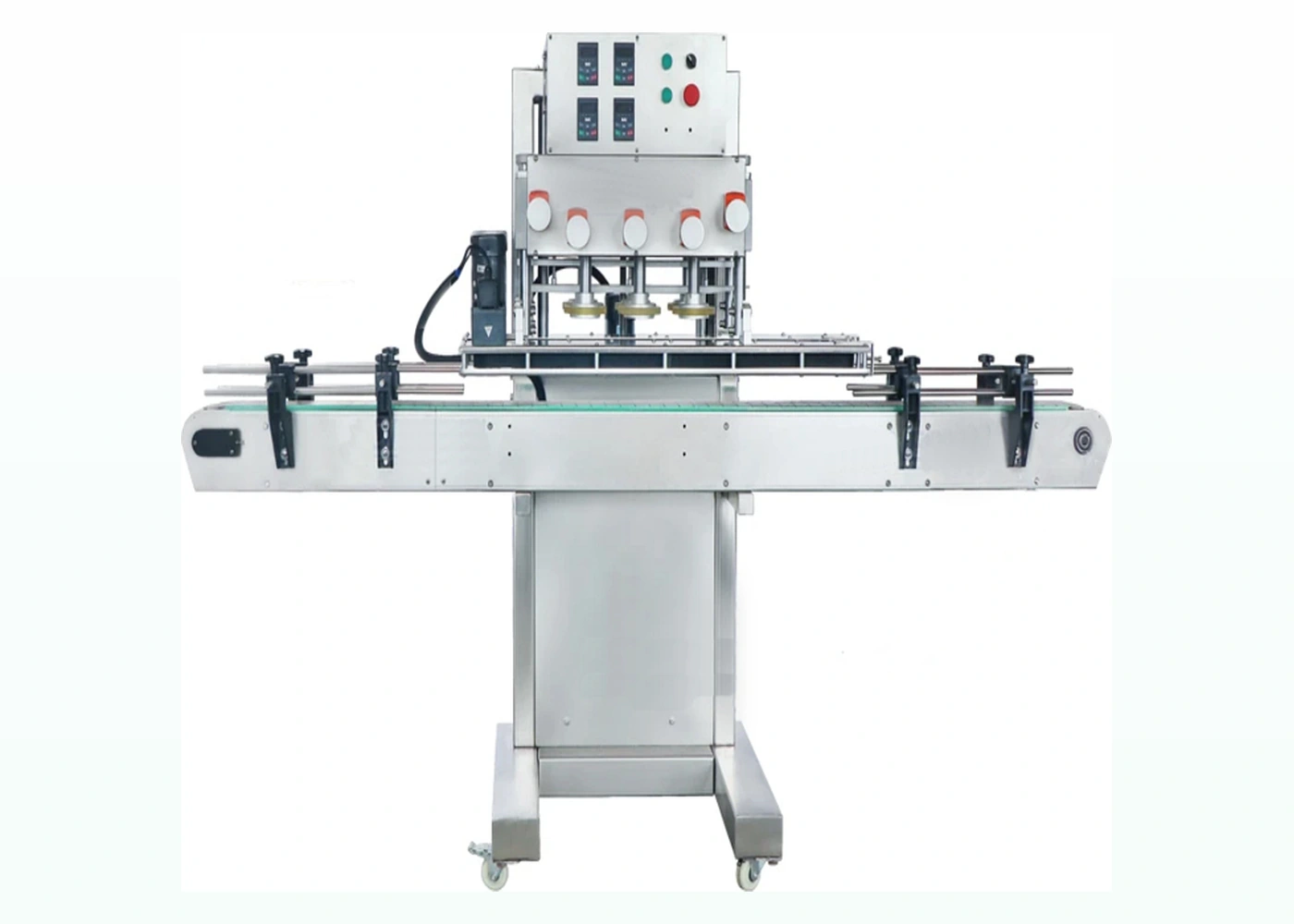
Buying detail
Industrial projects should be specified around real sustained output, not just peak machine speed. Bottle feed, cap feed and downstream equipment must all keep up.
Industrial lines may run longer shifts, heavier bottles or more demanding products. The capper should be selected for production conditions rather than demonstration conditions only.
Spares, maintenance access, operator training and technical support are more important as the line becomes more business-critical.
Include cap diameter, closure type, bottle size, target output, available space and whether the capper needs to connect to filling or labelling equipment.
Related routes
Use this route to compare the next stage of the screw capping project.
Use this route to compare the next stage of the screw capping project.
Use this route to compare the next stage of the screw capping project.
Use this route to compare the next stage of the screw capping project.
Use this route to compare the next stage of the screw capping project.
FAQs
Higher sustained output, integration, durability and support requirements usually define an industrial application.
Yes, but change parts and setup routines need to be planned.
Most do, because manual cap placement becomes a bottleneck at higher speeds.