01
Moving away from hand tightening
Hand tightening becomes difficult when batches grow, operators become tired or cap quality varies. A machine can improve repeatability and reduce strain.
Small production teams
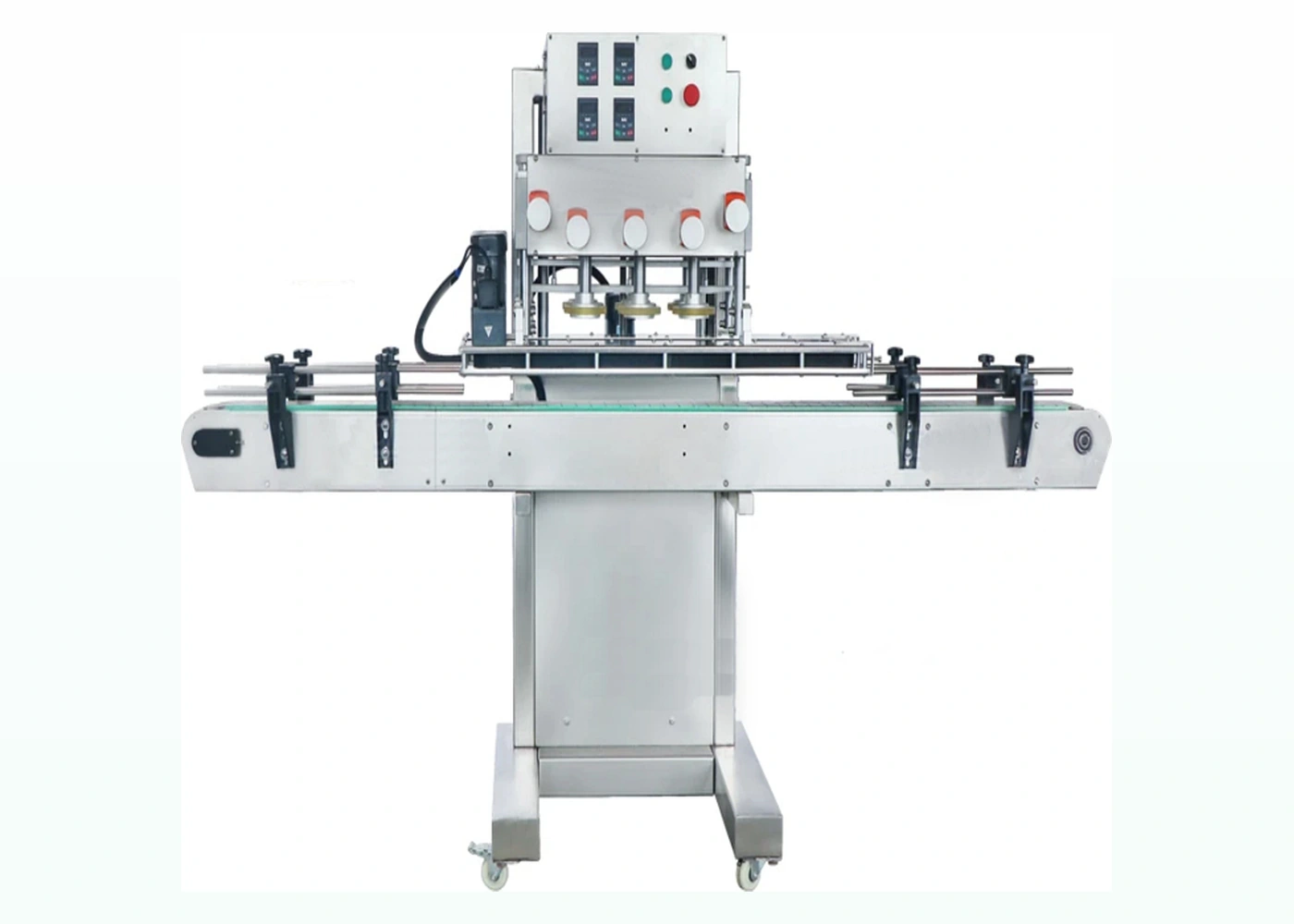
A small business bottle capper should improve consistency without adding unnecessary complexity. For many start-ups, the best route is a semi automatic or compact screw capper that an operator can run confidently.
Selection notes
A small business bottle capper should improve consistency without adding unnecessary complexity. For many start-ups, the best route is a semi automatic or compact screw capper that an operator can run confidently.
Buying detail
Hand tightening becomes difficult when batches grow, operators become tired or cap quality varies. A machine can improve repeatability and reduce strain.
Fully automatic systems are not always the right first purchase. Smaller operations often need flexibility, low footprint and easy changeovers more than maximum speed.
Choose a route that fits current output but does not block future improvement. Bottle and cap standardisation can make later automation easier.
Include cap diameter, closure type, bottle size, target output, available space and whether the capper needs to connect to filling or labelling equipment.
Related routes
Use this route to compare the next stage of the screw capping project.
Use this route to compare the next stage of the screw capping project.
Use this route to compare the next stage of the screw capping project.
Use this route to compare the next stage of the screw capping project.
Use this route to compare the next stage of the screw capping project.
FAQs
A semi automatic capper is often the most practical first step for screw caps.
Automate when cap application becomes a bottleneck or when consistency issues increase.
Often yes, if bottle and cap sizes are within range and changeover is practical.