Mandatory
A requirement that must be met for the machine to be accepted, such as the defined pack formats, agreed closure result, site access or an essential line interface.
Buyer specification
A useful user requirement specification describes the production duty and the evidence needed for acceptance. It should not begin with a preferred machine model before the bottle, closure, workflow and line interfaces are defined.
Practical starting point
A URS gives Lancing and the buyer a common reference for machine selection, quotation scope, sample trials, FAT, installation and handover. Unknown values can be marked for confirmation rather than guessed.
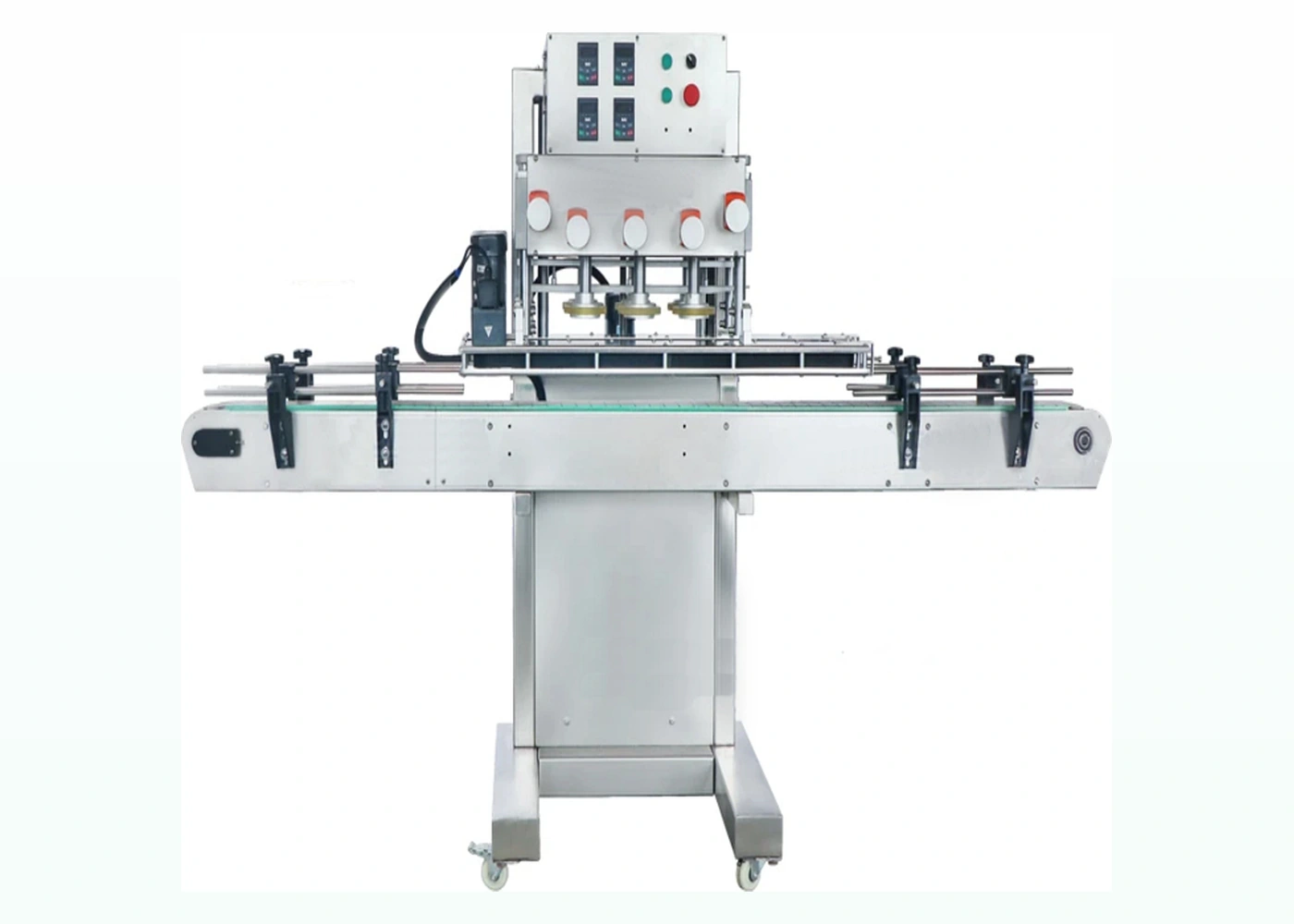
URS structure
| Requirement group | Information to state | Evidence or decision needed |
|---|---|---|
| Pack family | Bottle material, shape, dimensions, neck finish, filled weight, closure type, diameter, height, liner and tamper features. | Drawings where available plus representative production samples from the format extremes. |
| Production duty | Batch sizes, shifts, target good packs, peak requirement, changeover frequency and expected operator involvement. | A timed workflow or current production record rather than catalogue cycle speed alone. |
| Cap presentation | Manual placement, pre-placed caps, elevator, bowl, chute, escapement or specialist handling for pumps and triggers. | Feeder trial using normal supply caps, including replenishment and recovery from a stop. |
| Closure acceptance | Thread engagement, cap height, application/removal check, liner or tamper condition, leakage and presentation limits. | Accepted and rejected reference packs with the agreed measurement method. |
| Line interfaces | Infeed/outfeed height and direction, conveyor speed, accumulation, upstream/downstream machines, sensors, coding and reject handling. | Layout, photographs, interface list and control responsibility. |
| Site and utilities | Access, footprint, electrical supply, compressed air, environment, cleaning method and operator access. | Site survey information and utility availability confirmed before installation. |
| Support and records | Installation, commissioning, training, manuals, change parts, recommended spares and acceptance documents. | Clearly identified quotation inclusions, exclusions and handover deliverables. |
Decision controls
This prevents a useful alternative from being rejected for failing an arbitrary detail while keeping genuine safety, pack-quality and production needs clear.
A requirement that must be met for the machine to be accepted, such as the defined pack formats, agreed closure result, site access or an essential line interface.
A feature that improves operation or future flexibility but can be assessed against cost, footprint or project timing.
An item that depends on sample trials, final layout, supplier design or site verification. Record the owner and the point at which it will be closed.
Acceptance chain
Each important requirement should point to a practical verification method. A bottle range can be verified with nominated samples; output with a timed good-pack run; cap quality with agreed checks; and interfaces with a controlled sequence or site test.
Use the sample-submission guide, capacity-planning guide and FAT/SAT guide to turn the URS into an evidence plan.
Buyer questions
A concise, testable specification is more useful than a long list of generic features.
No. Describe the duty, constraints and acceptance criteria first. A model can then be proposed and checked against the requirement.
State the required good-pack output, batch pattern and operating period, together with operator tasks and cap presentation. Avoid relying only on a nominal cycle rate.
State the current pack acceptance method and provide accepted finished packs. The closure owner or pack supplier may need to confirm the target before final machine acceptance.
Include formats that are genuinely planned and supported by samples or drawings. This allows tooling, adjustment range and changeover scope to be considered without guessing.
Identify the machines before and after the capper, the required stop/start and fault behaviour, signals, accumulation and responsibility for the overall line sequence.
Send the pack family, line information and acceptance method so Lancing can review the URS against a practical machine and tooling route.