Component identity
Bottle, cap, liner, supplier batch or drawing reference, filled condition and known format limits.
Operational guide
A changeover is complete only when the correct parts are fitted, the previous format is cleared, settings are restored and the new pack passes the agreed closure and production checks.
Practical starting point
The format record should identify tooling, guides, clamps, head or spindle settings, cap-feed parts, sensors and the finished-pack checks needed before routine production is released.
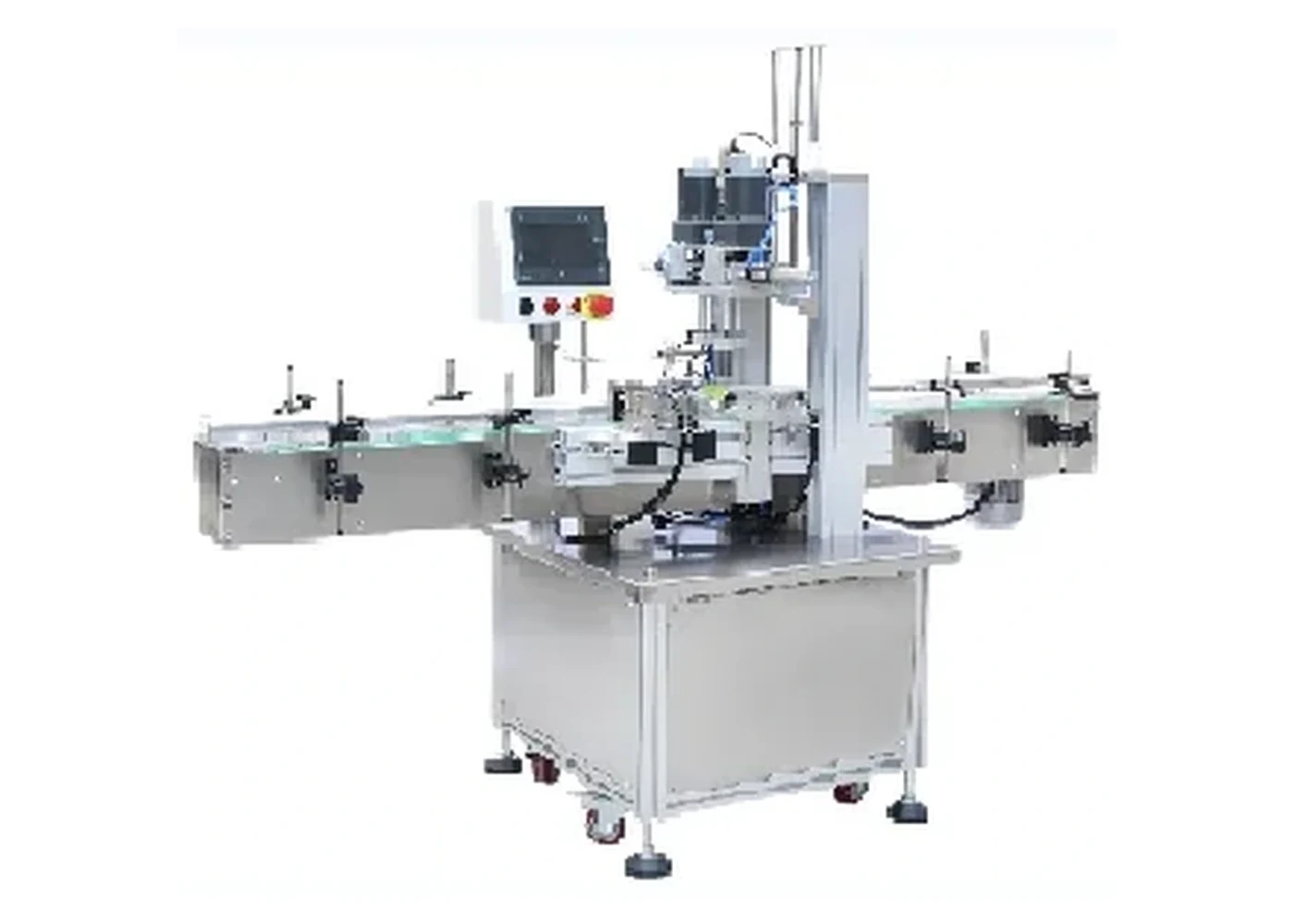
Changeover sequence
| Stage | Required action | Acceptance evidence |
|---|---|---|
| Line clearance | Remove previous bottles, caps, labels, product residues and documents; identify the incoming format. | Clearance check completed with no mixed components at the machine or feeder. |
| Parts inspection | Confirm the correct chuck/insert, guides, locators, belts, feed parts and sensors are clean, undamaged and identified. | Parts match the approved format list and worn contact surfaces are not used. |
| Mechanical setup | Set head height, guides, clamps, neck support, side belts, spindle contact and conveyor transitions from the approved record. | Settings recorded; bottle moves through without tip, spin, crush, scuff or lift. |
| Cap presentation | Set the manual placement instruction or feeder, chute, escapement and handover for the new closure. | Caps arrive in the correct orientation and start on the thread without forced correction. |
| First-off checks | Inspect cap height, engagement, opening/removal result, liner/tamper condition, leakage and appearance as applicable. | Accepted packs are identified and any adjustment is recorded. |
| Controlled restart | Run through normal loading, cap replenishment, stop/restart and the expected connected-line sequence. | No unexplained intervention; rejects and stoppages remain within the agreed acceptance method. |
| Release | Approve the settings, retain references and return unused parts to controlled storage. | Named release, final format record and retained first-off/accepted pack where required. |
Format record
Bottle, cap, liner, supplier batch or drawing reference, filled condition and known format limits.
Chuck or insert, locator, guide, clamp, belt, spindle and feeder parts with a clear format reference.
Head height, contact/dwell or drive settings, conveyor and side-belt positions, sensor locations and feeder adjustments.
Cap height, thread engagement, opening/removal method, liner/tamper condition, leakage and appearance limits.
The order for starting connected equipment, cap replenishment, clearing a minor stop and confirming the first pack after recovery.
Wear, contamination, damage or repeated adjustment that requires inspection before the format is run again.
Validation boundary
A new cap supplier, liner, neck finish, bottle material, actuator, tooling material, cap-feed method or significant machine adjustment may require more than a routine setting change. Compare the change with the approved trial and repeat the relevant checks.
Use the chuck and change-parts guide, defect troubleshooting and FAT/SAT acceptance guide to define the evidence.
Buyer questions
The depth of validation should reflect the difference between formats and the risk that the change affects closure quality or machine handling.
Not necessarily, but the material, finish, dimensional variation and supplier process should be considered. If grip, marking, feed behaviour or thread engagement can change, confirm it with samples.
Revalidation is appropriate when components, tooling, settings, feeder method or bottle support change enough to affect cap start, tightening, pack damage or the accepted finished result.
Keep clear part identification, the approved format list, setup settings, inspection condition and any special fitting or cleaning instruction.
The quantity should be defined by the site quality plan and the change risk. It must be sufficient to confirm the accepted result and stable operation; no universal number applies.
Many placement and feed faults appear during recovery rather than steady running. A controlled restart checks the normal production sequence and the first packs after the interruption.
Send the full format schedule and current changeover method so tooling, settings, operator access and acceptance checks can be reviewed before quotation.